
Understanding Fashion as a Form of Self-Expression
Fashion has always been more than just clothing—it is a language through which individuals communicate their identity, values, and creativity. Every outfit tells a story, whether it is intentional or not. The colors you choose, the silhouettes you prefer, and the way you combine different elements all contribute to how you present yourself to the world.
In modern society, fashion has become increasingly inclusive and diverse. There are no longer rigid rules dictating what people should wear. Instead, individuals are encouraged to explore their own preferences and create styles that resonate with their personality. This shift has made fashion more accessible and empowering.
Self-expression through fashion also evolves over time. What you wore a few years ago may no longer represent who you are today—and that is perfectly natural. Style grows with experience, lifestyle changes, and personal development. The key is to remain open to experimentation while staying true to your core identity.
When you view fashion as a tool for self-expression rather than a set of rules, it becomes more enjoyable. You are no longer dressing to impress others; you are dressing to reflect yourself. This mindset creates authenticity, which is one of the most attractive qualities in personal style.
Building a Strong Foundation with Wardrobe Essentials
A well-structured wardrobe begins with essential pieces that offer versatility and reliability. These foundational items serve as the backbone of your style, allowing you to create multiple outfits without needing an excessive number of clothes.
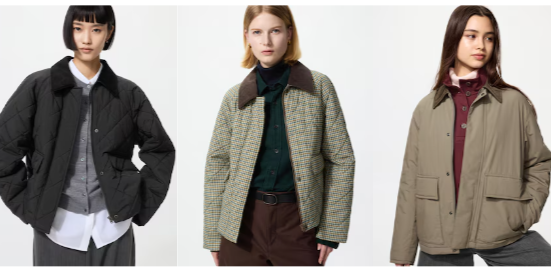
Wardrobe essentials are typically characterized by their simplicity and timeless appeal. Items such as a tailored blazer, classic denim jeans, neutral tops, and structured outerwear can be styled in countless ways. These pieces are not tied to specific trends, making them long-lasting investments.
One of the biggest advantages of having strong basics is efficiency. When your wardrobe is built on versatile items, getting dressed becomes easier and faster. You can mix and match pieces effortlessly, reducing the stress of choosing what to wear.
It is also important to focus on quality when selecting essentials. High-quality garments tend to last longer, maintain their shape, and look more refined. While they may require a higher initial investment, they ultimately save money in the long run by reducing the need for frequent replacements.
Additionally, essentials provide a perfect base for incorporating trend-driven pieces. By combining timeless items with modern accents, you can achieve a balanced look that feels both current and sophisticated.
The Importance of Fit, Tailoring, and Comfort
Fit is one of the most crucial aspects of fashion, yet it is often overlooked. Even the most expensive outfit can appear unpolished if it does not fit properly. On the other hand, well-fitted clothing can elevate even the simplest look.
Understanding your body shape is the first step toward achieving the perfect fit. Different silhouettes complement different body types, and knowing what works for you can significantly enhance your overall appearance. Clothing should highlight your strengths while providing comfort and ease of movement.
Tailoring plays a vital role in achieving a refined look. Simple adjustments, such as hemming trousers, taking in a waistline, or adjusting sleeve lengths, can transform a garment completely. Tailored clothing creates a clean and structured silhouette, which is often associated with sophistication.
Comfort is equally important. Fashion should not feel restrictive or uncomfortable. When you feel at ease in your clothes, it reflects in your posture and confidence. Comfortable clothing allows you to move freely and focus on your day without distractions.
Balancing fit and comfort ensures that your style is both practical and visually appealing. This combination is what defines effortless elegance.
Mastering Colors, Fabrics, and Textures
The choice of colors, fabrics, and textures can significantly impact how an outfit is perceived. These elements work together to create depth, harmony, and visual interest.
Color plays a powerful role in fashion. Neutral tones such as black, white, beige, gray, and navy are considered timeless because of their versatility. They can be easily combined and are suitable for a wide range of occasions. Building your wardrobe around these colors creates a cohesive and polished look.
At the same time, incorporating accent colors can add personality to your style. Whether it is a bold accessory or a statement piece, a pop of color can make an outfit more dynamic. The key is to maintain balance and avoid overwhelming the overall look.
Fabrics also contribute to the quality and appearance of clothing. Natural materials like cotton, linen, wool, and silk are often associated with luxury due to their texture and durability. These fabrics not only look better but also feel more comfortable against the skin.
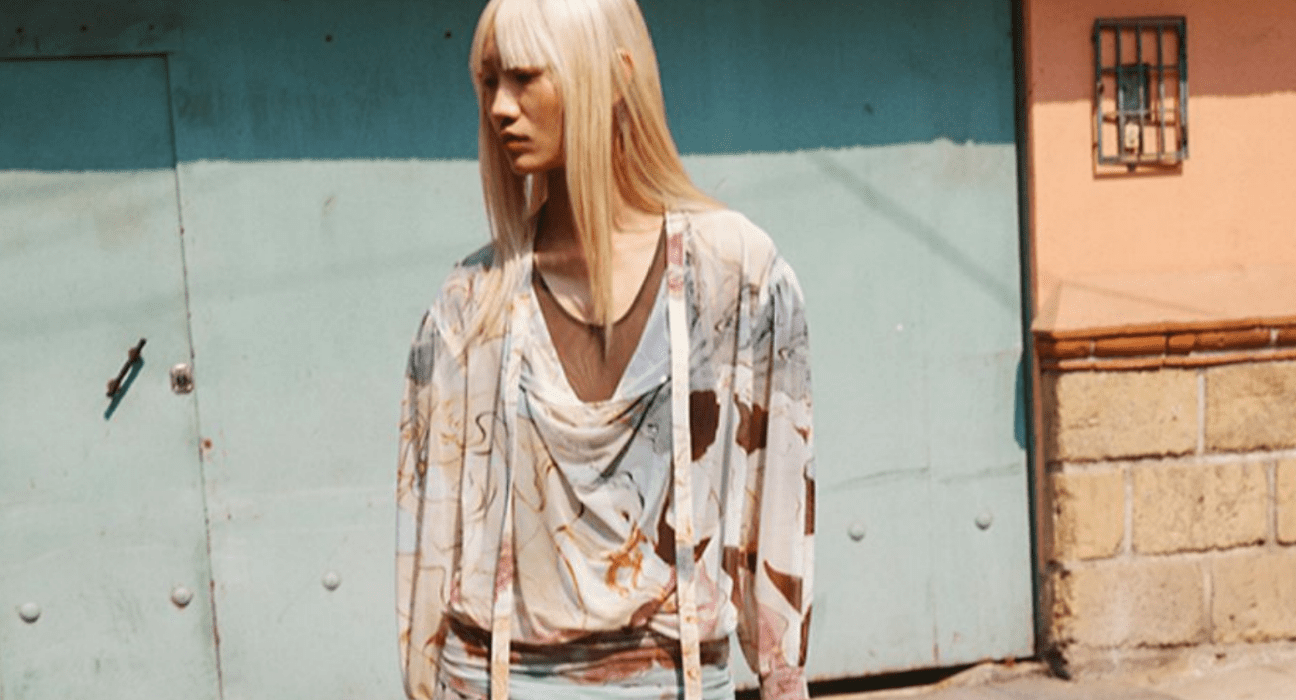
Texture adds another dimension to fashion. Combining different textures—such as smooth silk, structured wool, and soft cotton—creates contrast and visual interest. This technique can make even simple outfits appear more sophisticated.
Understanding how to work with colors, fabrics, and textures allows you to elevate your style effortlessly.
Incorporating Trends Without Losing Your Identity
Fashion trends are constantly evolving, influenced by cultural shifts, social media, and global events. While it is exciting to experiment with new styles, it is important not to lose your sense of identity in the process.
Trends should be seen as inspiration rather than rules. Instead of adopting every new trend, choose the ones that align with your personal style. This selective approach ensures that your wardrobe remains authentic and cohesive.
One effective way to incorporate trends is through small elements. Accessories, footwear, or a single statement piece can introduce a modern touch without overpowering your overall look. This method allows you to stay current while maintaining a timeless foundation.
It is also important to consider practicality. Not all trends are suitable for everyday wear. Choose pieces that fit your lifestyle and can be integrated seamlessly into your wardrobe.
By balancing trends with timeless elements, you create a style that feels fresh yet enduring. This approach prevents your wardrobe from becoming outdated and ensures long-term versatility.
Confidence and Consistency: The True Essence of Style
At its core, fashion is not about clothing—it is about how you carry yourself. Confidence is the most powerful accessory you can wear. It enhances your appearance and makes your style more impactful.
Confidence comes from feeling comfortable and authentic in what you wear. When your outfit aligns with your personality, it naturally boosts your self-assurance. This confidence is noticeable and leaves a lasting impression.
Consistency is another key element of great style. Developing a recognizable aesthetic helps define your personal brand. Whether your style is minimalist, bold, classic, or eclectic, maintaining consistency creates a sense of identity.
Over time, this consistency makes shopping easier and more intentional. You become more aware of what works for you and avoid unnecessary purchases. This leads to a more curated and meaningful wardrobe.
Ultimately, fashion is a journey of self-discovery. It is about experimenting, learning, and evolving while staying true to yourself. When you combine confidence with consistency, your style becomes timeless.
Conclusion
Fashion is a powerful tool that goes beyond appearances. It is a reflection of individuality, creativity, and confidence. By understanding the fundamentals—such as building a strong wardrobe foundation, focusing on fit and comfort, mastering colors and fabrics, and balancing trends—you can create a style that is both timeless and unique.
The true essence of fashion lies in authenticity. When you dress in a way that feels genuine, your style becomes effortless and impactful. Rather than chasing trends or seeking validation, focus on what makes you feel confident and comfortable.
In the end, great style is not about having more—it is about making better choices. With intention and awareness, you can build a wardrobe that not only looks good but also tells your story.