

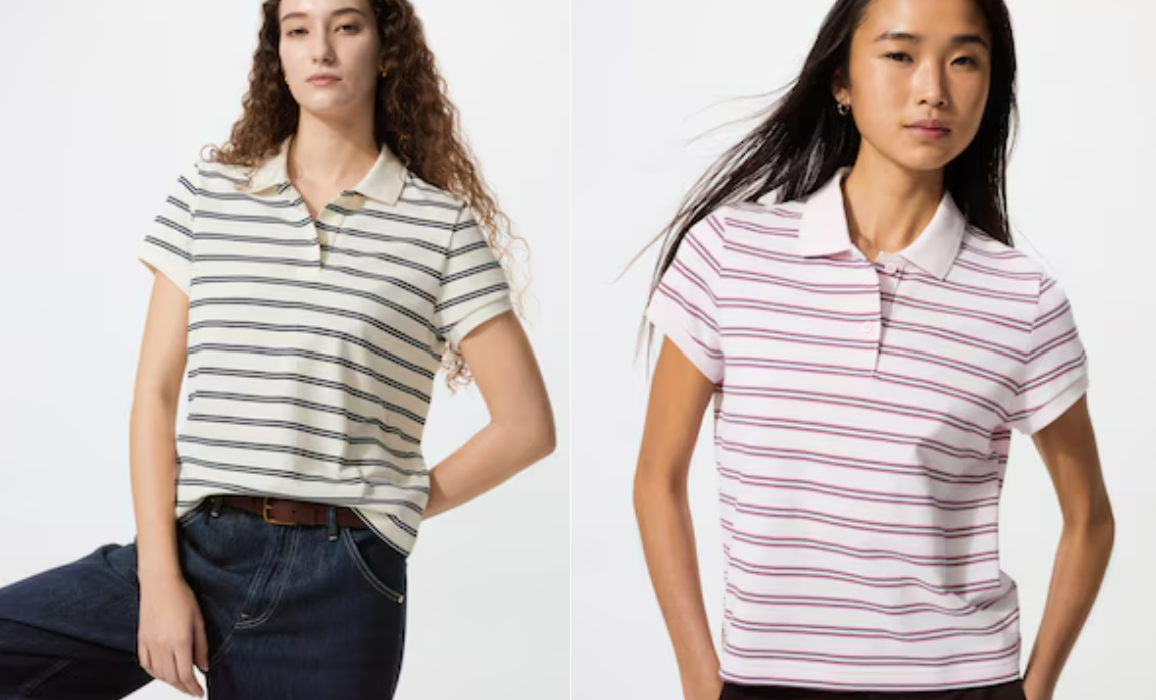
Everyday Fashion Reimagined with Purpose
Uniqlo has built its global reputation by doing something many fashion brands overlook—perfecting the basics. In a world driven by fast-changing trends and seasonal collections, Uniqlo takes a different path by focusing on essential clothing designed for everyday life. This philosophy, known as LifeWear, is rooted in the belief that clothing should be simple, functional, and adaptable to all lifestyles. Rather than encouraging constant wardrobe changes, the brand emphasizes longevity, comfort, and versatility.
From the moment a customer steps into a Uniqlo store or browses its online platform, the difference is clear. Clean layouts, neatly organized sections, and a consistent aesthetic reflect the brand’s minimalist identity. Each product is designed with intention, ensuring that it serves a practical purpose while maintaining a refined look. Whether it’s a basic T-shirt, a lightweight jacket, or a pair of well-fitted trousers, every item is crafted to integrate seamlessly into daily life.
This approach has resonated strongly with modern consumers who are increasingly seeking value and simplicity. Instead of buying clothes that go out of style quickly, people are now investing in pieces that can be worn repeatedly in different ways. Uniqlo’s designs make it easy to mix and match outfits, reducing the need for excessive shopping while still allowing for personal expression.
Another key aspect of Uniqlo’s success is its attention to detail. Even the simplest garments are thoughtfully constructed, with careful consideration given to fit, fabric, and durability. This focus on quality ensures that customers receive products that not only look good but also stand the test of time. As a result, Uniqlo has become synonymous with reliability, attracting a loyal customer base that values consistency over novelty.
Innovation Meets Comfort in Modern Apparel
One of the defining characteristics of Uniqlo is its commitment to innovation. While the brand is known for its simple designs, it continuously invests in advanced fabric technologies to enhance comfort and functionality. This combination of minimalism and innovation sets it apart from competitors in the fashion industry.
Technologies like HeatTech and AIRism have become central to the Uniqlo experience. HeatTech garments are designed to retain body heat, making them ideal for colder climates without adding bulk. On the other hand, AIRism fabrics are lightweight and breathable, offering superior comfort in warm weather. These innovations are not just marketing features—they address real needs, making everyday clothing more practical and enjoyable to wear.
Uniqlo also collaborates with leading textile manufacturers to develop fabrics that meet its high standards. By focusing on material quality, the brand ensures that its clothing feels as good as it looks. Soft textures, stretchable materials, and moisture-wicking properties all contribute to a superior wearing experience.
Comfort is further enhanced by thoughtful design elements. Seam placement, fabric weight, and garment structure are all carefully considered to ensure ease of movement and all-day wearability. This attention to detail is particularly important in today’s lifestyle, where people often transition between different activities throughout the day.
In addition to functionality, Uniqlo’s innovations also contribute to sustainability. By creating durable, high-performance fabrics, the brand encourages longer use of its products, reducing the need for frequent replacements. This aligns with the growing demand for responsible fashion choices among consumers.
Global Influence and Cultural Adaptability
Uniqlo has successfully expanded its presence across the globe, becoming a major player in the international fashion market. From bustling cities like Tokyo and New York City to fashion hubs like Paris, the brand has established a strong footprint that continues to grow.
What makes Uniqlo’s global expansion particularly impressive is its ability to adapt to different markets while maintaining a consistent brand identity. The core principles of simplicity, quality, and functionality remain the same, but the product offerings are often tailored to suit local preferences and climates. This balance between consistency and adaptability has been key to its international success.
Collaborations have also played a significant role in enhancing Uniqlo’s global appeal. By partnering with designers, artists, and cultural institutions, the brand introduces unique collections that blend creativity with its signature simplicity. These collaborations not only attract new customers but also keep the brand fresh and relevant.
Despite its global reach, Uniqlo remains deeply connected to its Japanese roots. The emphasis on precision, craftsmanship, and attention to detail reflects traditional Japanese values, which continue to influence the brand’s philosophy. This cultural authenticity adds depth to its identity, setting it apart from many other international brands.
Moreover, Uniqlo’s stores are designed to offer a consistent experience worldwide. Clean layouts, clear product displays, and a focus on customer convenience create a welcoming environment that reflects the brand’s ethos. Whether shopping in Asia, Europe, or North America, customers can expect the same level of quality and service.
Sustainability and the Future of Fashion
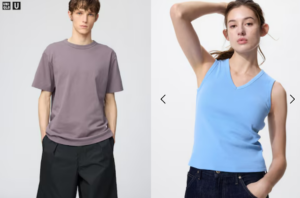
As the fashion industry faces increasing scrutiny over its environmental impact, Uniqlo is taking steps to address these challenges. The brand recognizes the importance of sustainability and is actively working to reduce its footprint while promoting responsible consumption.
One of the key ways Uniqlo approaches sustainability is through product longevity. By creating durable, high-quality clothing, the brand encourages customers to wear items for longer periods. This reduces waste and minimizes the environmental impact associated with frequent production and disposal.
Uniqlo is also investing in more sustainable materials and production methods. Efforts include using recycled fabrics, reducing water consumption, and improving supply chain transparency. While there is still progress to be made, these initiatives demonstrate a commitment to positive change.
Another important aspect of Uniqlo’s sustainability strategy is its focus on recycling and reuse. The brand has introduced programs that allow customers to return used clothing, which is then repurposed or recycled. This not only reduces waste but also supports communities in need through clothing donations.
Looking ahead, Uniqlo aims to continue evolving in response to changing consumer expectations and environmental challenges. The brand’s emphasis on innovation, quality, and responsibility positions it well for the future of fashion. As more people seek meaningful and sustainable choices, Uniqlo’s approach is likely to resonate even more strongly.