
The Transformation of Modern Fashion in Today’s World
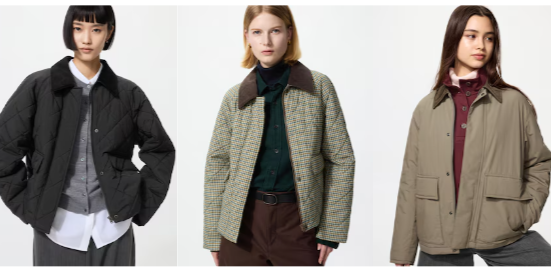
Fashion has changed dramatically over the last few decades. What was once limited to seasonal trends and traditional clothing styles has evolved into a fast-moving global industry driven by creativity, individuality, and digital culture. Modern clothing and trendy accessories now play a major role in how people express themselves, communicate identity, and build confidence in everyday life.
One of the most important aspects of modern fashion is versatility. Consumers today want outfits that are stylish yet practical enough for different situations. Clothing is no longer designed only for formal occasions or professional settings. Instead, modern apparel combines comfort with fashion-forward aesthetics, allowing people to move easily between work, travel, social gatherings, and casual activities.
Streetwear culture has significantly influenced modern clothing trends. Oversized hoodies, relaxed-fit jeans, graphic T-shirts, cargo pants, and sneakers have become mainstream fashion essentials. Inspired by skateboarding, music, sports, and urban lifestyles, streetwear has transformed the way younger generations view fashion. Comfort-focused clothing is now considered fashionable rather than careless or informal.
Digital media has accelerated fashion trends faster than ever before. Platforms such as Instagram, TikTok, Pinterest, and YouTube constantly expose consumers to new styles, outfit ideas, and fashion influencers. Social media has made fashion more accessible because people can instantly discover global trends, independent brands, and styling inspiration directly from their phones.
Modern fashion also values self-expression more than previous generations. Instead of strictly following trends created by luxury brands, consumers now build personal styles based on their interests, hobbies, and lifestyles. Some people prefer minimalist outfits featuring neutral colors and simple designs, while others enjoy bold streetwear, artistic graphics, or vintage-inspired fashion.
Another major change in the fashion industry is inclusivity. Clothing brands increasingly focus on gender-neutral styles, diverse sizing, and body positivity. Consumers appreciate fashion that feels accessible and comfortable for everyone rather than limited by outdated standards.
Technology has transformed shopping experiences as well. Online stores provide virtual fitting tools, AI-generated style suggestions, and interactive customization options. Consumers can now personalize products, compare global trends, and access thousands of fashion items without leaving home.
Sustainability has become another essential factor influencing modern clothing trends. Many consumers are becoming more conscious about environmental impact and ethical production practices. As a result, brands using recycled materials, organic fabrics, and eco-friendly packaging are gaining popularity worldwide.
Accessories have become equally important within modern fashion culture. Sneakers, jewelry, bags, watches, sunglasses, and caps help individuals complete outfits while adding personality and detail. Accessories often turn simple clothing into stylish and memorable fashion statements.
Modern clothing reflects more than appearance alone. It represents creativity, comfort, culture, and confidence. Fashion today encourages individuality and freedom, allowing people to wear styles that genuinely match their personalities and lifestyles.
Why Comfortable and Stylish Clothing Matters
Comfort has become one of the most important priorities in modern fashion. Consumers no longer want stylish outfits that feel restrictive or impractical. Instead, people expect clothing to provide flexibility, softness, and functionality while still maintaining attractive designs and trendy aesthetics.
One reason comfort matters so much is lifestyle changes. Many people now work remotely, travel frequently, or spend long hours balancing multiple responsibilities. Clothing must adapt to these busy routines by offering versatility and ease of movement. Relaxed fits, breathable fabrics, and practical designs are therefore becoming essential in modern wardrobes.
Athleisure is one of the best examples of comfort-driven fashion. This trend combines athletic wear with casual style, creating outfits suitable for both exercise and everyday activities. Joggers, hoodies, sneakers, leggings, and oversized sweatshirts are now common fashion staples because they provide both comfort and style.
Oversized fashion has also gained popularity for similar reasons. Loose-fitting clothing feels relaxed and comfortable while still appearing trendy and fashionable. Oversized hoodies, T-shirts, and jackets are especially popular among younger audiences influenced by streetwear culture.
Fabric quality plays a major role in comfortable fashion as well. Soft cotton blends, lightweight materials, and moisture-wicking fabrics improve wearability throughout the day. Consumers increasingly value durable and breathable clothing that feels good in different weather conditions.
Stylish clothing also affects confidence and emotional well-being. People often feel more motivated and self-assured when wearing outfits they genuinely enjoy. A fashionable jacket, well-fitted jeans, or trendy sneakers can significantly improve mood and social confidence.
Modern clothing trends focus heavily on versatility. Consumers prefer pieces that can easily be styled for multiple situations rather than buying separate outfits for every occasion. Neutral colors, minimalist designs, and adaptable silhouettes help create flexible wardrobes suitable for work, travel, and casual settings.
Comfortable fashion also appeals because it aligns with changing social attitudes. Formal dress codes have relaxed in many industries, allowing employees to wear stylish casual clothing instead of traditional business attire. This shift reflects growing demand for practical and wearable fashion.
Fashion brands now understand that comfort and style must exist together. Successful collections combine modern aesthetics with practical functionality, ensuring consumers never need to sacrifice one for the other. Sneakers are a perfect example because they blend comfort, athletic performance, and fashionable design.
Seasonal trends continue influencing comfortable fashion choices. Lightweight oversized T-shirts and shorts dominate summer wardrobes, while hoodies, jackets, and knitwear become essential during colder months. Accessories also adapt seasonally, adding practicality alongside style.
Another reason comfortable clothing matters is sustainability. Consumers are increasingly investing in high-quality pieces they can wear repeatedly rather than purchasing cheap fast-fashion items. Durable and versatile clothing supports more responsible shopping habits while reducing unnecessary waste.
Comfortable and stylish fashion continues growing because it matches modern lifestyles. People want clothing that looks attractive, feels practical, and supports daily activities without limiting creativity or individuality.
Trendy Accessories That Define Personal Style
Accessories have become essential elements of modern fashion because they allow individuals to personalize outfits and create distinctive looks. While clothing forms the base of an outfit, accessories often provide the details that make fashion memorable and unique.
Sneakers are among the most influential accessories in contemporary fashion culture. Originally designed for sports and athletic activities, sneakers have evolved into fashion icons worn by people of all ages. Limited-edition releases, designer collaborations, and collectible sneaker culture have turned footwear into both a style statement and a global industry.
Bags are another major accessory category shaping modern fashion. Backpacks, tote bags, crossbody bags, and luxury handbags now combine practicality with aesthetics. Consumers often select bags not only for storage but also for how they complement outfits and reflect personal style.
Jewelry continues to play a significant role in modern accessorizing. Minimalist necklaces, rings, bracelets, and earrings add elegance and personality to both casual and formal looks. Many consumers prefer simple jewelry designs because they work well with multiple outfits while still creating visual impact.
Watches remain timeless accessories despite advances in digital technology. Traditional luxury watches symbolize sophistication and status, while smartwatches combine fashion with modern functionality. Consumers appreciate accessories that provide both style and practical value.
Sunglasses are another important accessory trend. Different frame shapes and lens styles can dramatically change an outfit’s appearance. Sunglasses not only protect eyes from sunlight but also add confidence and personality to fashion choices.
Caps and hats have become central to streetwear culture as well. Baseball caps, bucket hats, and beanies add relaxed style while helping individuals create layered and balanced outfits. Many fashion enthusiasts use headwear to strengthen personal aesthetics and add casual appeal.
Tech accessories are becoming increasingly fashionable in modern lifestyles. Stylish phone cases, wireless earbuds, laptops sleeves, and smart devices allow consumers to maintain coordinated appearances even when using technology. Fashion and technology industries are now closely connected because consumers expect both functionality and style.
Belts are often underestimated but can significantly improve outfit structure and detail. Statement buckles, luxury branding, or minimalist leather belts help complete looks while adding sophistication.
Scarves and gloves become especially important during colder seasons because they combine comfort with fashion. Patterned scarves, textured knitwear, and premium winter accessories add warmth while enhancing overall outfit aesthetics.
One reason accessories remain so popular is flexibility. Consumers can completely transform simple outfits using different accessories without replacing entire wardrobes. A plain outfit paired with trendy sneakers, layered jewelry, and stylish sunglasses instantly becomes more fashionable and visually interesting.
Accessories also help individuals build signature styles. Some people become recognized for unique sneakers, luxury watches, minimalist jewelry, or artistic bags. These details contribute to fashion identity and self-expression.
Modern accessories continue evolving because consumers value individuality and customization. Personalized jewelry, limited-edition sneakers, and artistic accessories allow people to express creativity while staying connected to current fashion trends.
The Role of Social Media and Streetwear in Fashion Trends
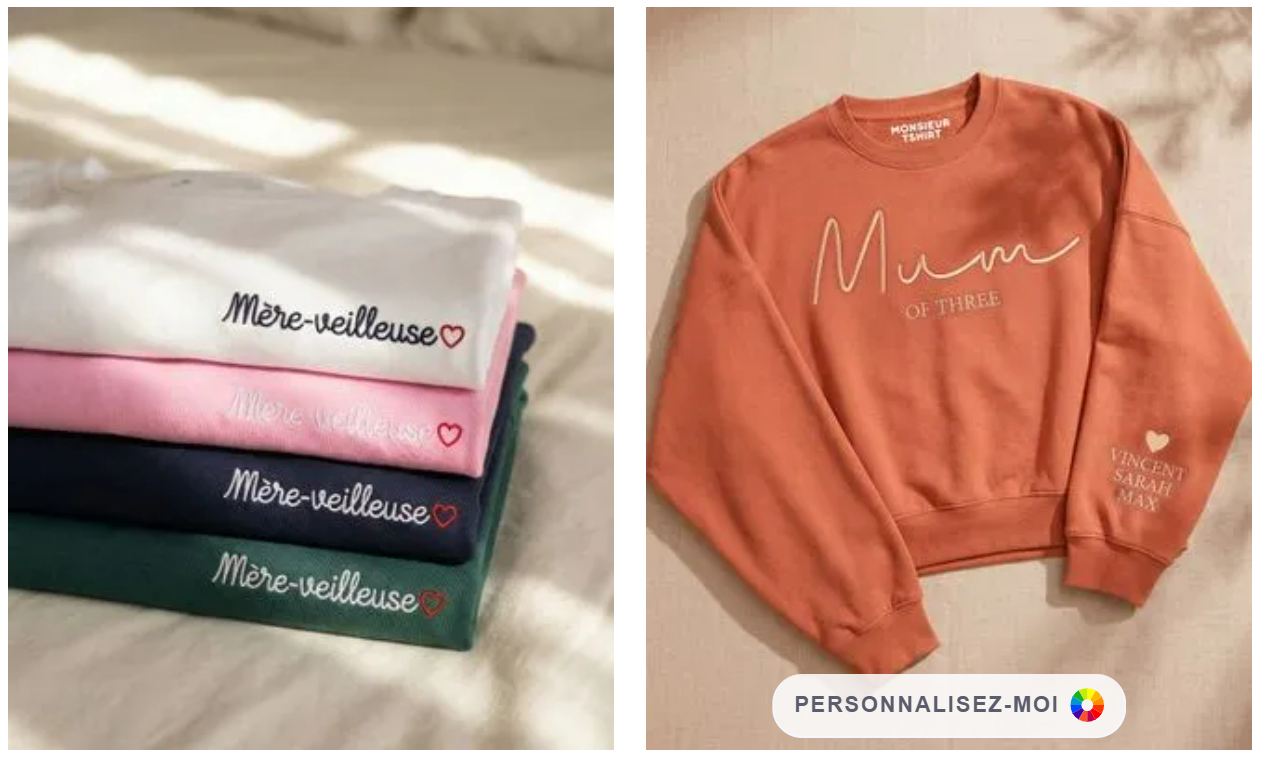
Social media has completely transformed the fashion industry by changing how trends are created, shared, and consumed. Platforms such as Instagram, TikTok, YouTube, and Pinterest now influence millions of consumers daily, making fashion more accessible and fast-moving than ever before.
Streetwear has benefited enormously from this digital transformation. Originally inspired by skateboarding, hip-hop, and urban culture, streetwear has become one of the most influential forces shaping modern clothing and trendy accessories. Oversized hoodies, sneakers, graphic T-shirts, cargo pants, and relaxed silhouettes dominate modern street fashion worldwide.
One reason streetwear became so successful is authenticity. Unlike traditional luxury fashion focused mainly on exclusivity, streetwear emphasizes individuality, creativity, and cultural identity. Consumers appreciate clothing that feels relatable and expressive rather than overly formal or restricted.
Social media platforms accelerate trend cycles dramatically. Influencers and celebrities regularly showcase outfits, sneakers, and accessories to global audiences within seconds. A viral fashion video or celebrity appearance can instantly increase demand for specific products and styles.
Fashion communities online also encourage experimentation. Users share outfit inspiration, styling tutorials, shopping recommendations, and reviews, helping consumers discover new brands and trends. Fashion is no longer controlled solely by designers and magazines because audiences actively participate in shaping trends.
Limited-edition releases have become extremely popular because of digital culture. Fashion brands intentionally produce smaller product quantities to create exclusivity and hype. Sneakers, hoodies, and accessories often sell out quickly due to high online demand and resale culture.
Luxury brands have increasingly adopted streetwear influences as well. Designer companies now include oversized silhouettes, graphic prints, sneakers, and casual aesthetics within high-end collections. Collaborations between luxury houses and streetwear labels have become major events within the fashion industry.
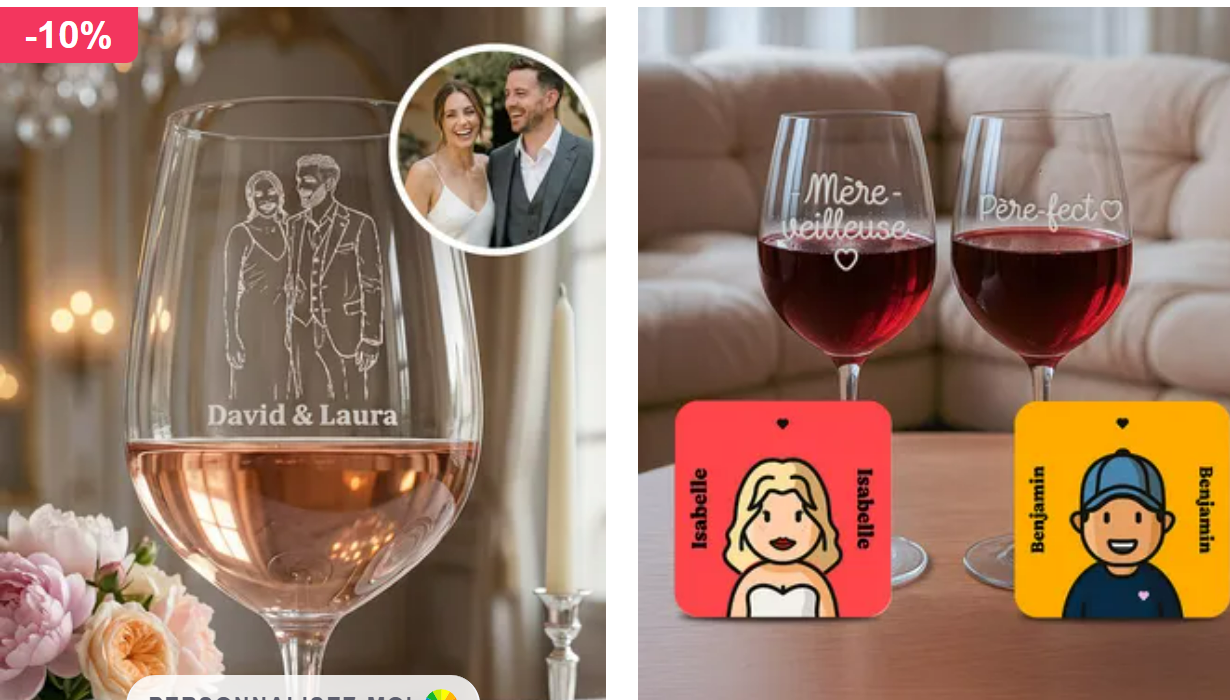
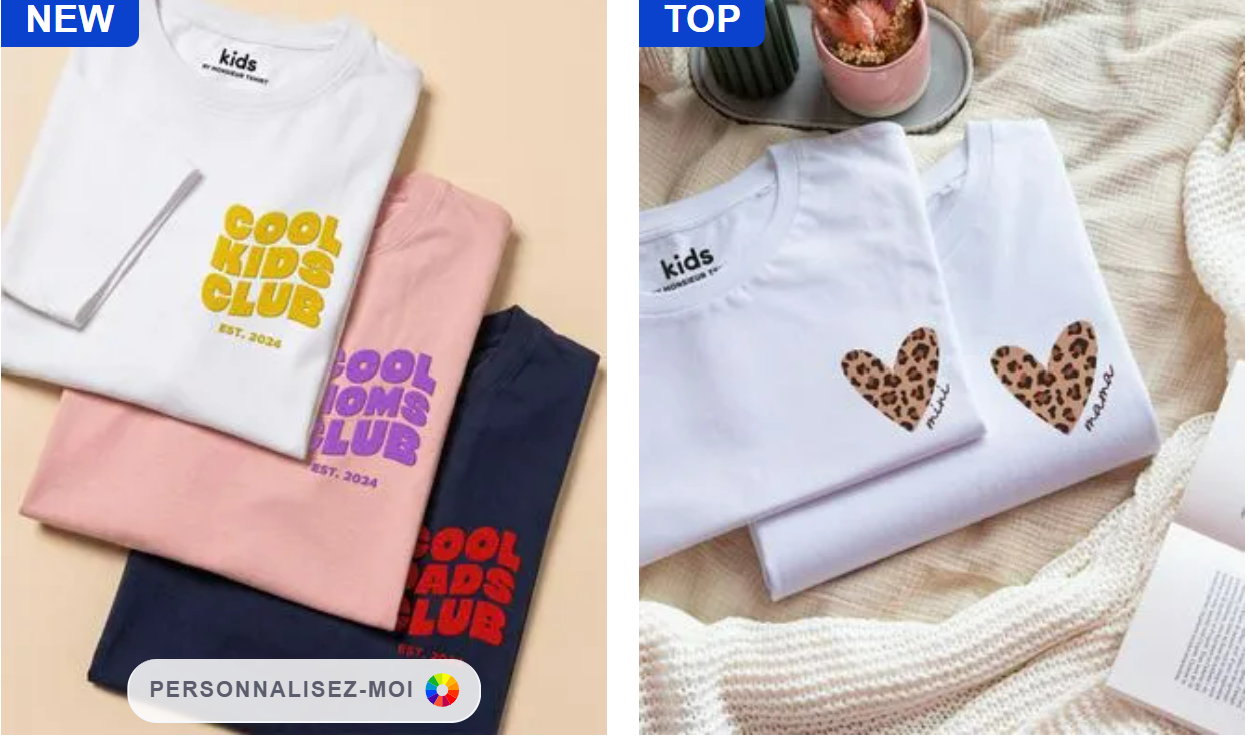
Customization is another growing trend influenced by social media. Consumers increasingly want products that feel personal and unique rather than identical to mass-produced fashion. Customized hoodies, graphic apparel, and personalized accessories allow individuals to stand out online and offline.
The rise of independent fashion creators is another important change. Social media allows smaller brands and artists to reach international audiences without massive advertising budgets. Creative entrepreneurs can now build successful fashion businesses directly through online communities and digital marketing.
Streetwear also aligns perfectly with modern lifestyle preferences because it combines comfort and style. Relaxed fits, practical fabrics, and versatile designs appeal to consumers seeking fashionable clothing suitable for daily life.
Fashion trends today move faster than ever because digital culture constantly introduces new inspirations and aesthetics. However, this rapid evolution also encourages greater creativity and diversity within the industry, giving consumers endless opportunities for self-expression.
The Future of Modern Clothing and Trendy Accessories
The future of modern clothing and trendy accessories is expected to become increasingly innovative, personalized, and sustainable. Technology, changing consumer values, and digital culture will continue transforming how people design, shop for, and experience fashion.
Personalization will likely become one of the most important future trends. Consumers increasingly prefer clothing and accessories tailored to their individual preferences. Advanced customization platforms may soon allow shoppers to adjust colors, graphics, fabrics, and fits before products are manufactured.
Artificial intelligence is also expected to reshape the fashion industry. AI-powered shopping assistants may recommend outfits based on personal style, weather conditions, body type, or previous purchases. This technology could make online shopping more efficient and personalized.
Virtual and augmented reality tools are likely to improve fashion retail experiences as well. Virtual fitting rooms may allow consumers to see how outfits and accessories look before purchasing them online. These innovations could reduce return rates while increasing customer confidence.
Sustainability will remain one of the most significant priorities in future fashion. Consumers are becoming increasingly aware of environmental issues and expect brands to adopt ethical practices. Eco-friendly fabrics, recycled materials, biodegradable packaging, and transparent production processes are likely to become industry standards.
Smart clothing technology may become more common in coming years. Apparel integrated with fitness tracking, temperature control, or wearable devices could combine practicality with fashion-forward design. Technology and fashion industries are expected to collaborate more closely as consumer expectations evolve.
Digital fashion may also become a larger market. Virtual clothing designed for gaming platforms, online avatars, and digital experiences is already gaining attention. Consumers may eventually purchase both physical and digital fashion items as online worlds continue growing.
Acchttp://monsieurtshirt.com/?SubID1=861&ae=861&aev=Content&aesubid1=19519essories will remain highly important because they offer flexibility and individuality. Sneakers, jewelry, smartwatches, bags, and tech accessories are likely to evolve with both fashion trends and technological innovation.
Independent creators and niche fashion brands are expected to thrive as well. Social media and e-commerce platforms provide opportunities for artists and entrepreneurs to reach global audiences without relying on traditional retail systems. This encourages more creativity and diversity within fashion culture.
Minimalism and timeless design may grow alongside fast-changing trends. Many consumers are moving toward smaller wardrobes focused on quality, durability, and versatility rather than excessive fast-fashion consumption.
Ultimately, the future of modern clothing and trendy accessories is about more than appearance. Fashion will continue combining technology, creativity, comfort, sustainability, and self-expression into increasingly personalized experiences. As lifestyles evolve, modern fashion will remain a powerful way for individuals to communicate identity, confidence, and creativity in everyday life.