
The Rise of Graphic Apparel in Modern Fashion
Graphic apparel has become one of the most influential trends in the fashion industry. What once started as simple printed T-shirts has now evolved into a massive global market filled with creativity, individuality, and artistic expression. Today, graphic apparel includes everything from oversized hoodies and printed sweatshirts to designer jackets, streetwear collections, and fashion accessories featuring bold visuals and unique typography.
One of the main reasons behind the popularity of graphic apparel is self-expression. Modern consumers no longer want clothing that looks generic or repetitive. Instead, they prefer fashion that reflects their personality, interests, humor, and lifestyle. Graphic clothing allows people to communicate ideas without speaking. A simple printed quote, artistic illustration, or symbolic design can instantly represent identity, mood, or beliefs.
Streetwear culture has played a major role in the rise of graphic fashion. Influenced by skateboarding, hip-hop, music, gaming, and urban culture, streetwear introduced bold designs and oversized silhouettes into mainstream fashion. Graphic hoodies, logo T-shirts, and statement prints quickly became symbols of youth culture and creativity. Today, even luxury fashion brands incorporate graphic elements into their collections because of the strong demand among younger audiences.
Social media has further accelerated the growth of graphic apparel. Platforms such as Instagram, TikTok, and Pinterest constantly expose consumers to new styles and trends. Fashion influencers regularly showcase creative outfits featuring graphic pieces, inspiring followers to experiment with their own wardrobes. Viral designs and limited-edition collections often sell out quickly due to online hype and community engagement.
Another reason graphic apparel remains popular is versatility. Printed clothing can be styled in many different ways depending on personal taste. A graphic T-shirt paired with jeans creates a casual everyday look, while layering it with a blazer or leather jacket can produce a more fashionable appearance. Graphic hoodies and sweatshirts also work well in both streetwear and relaxed fashion settings.
Fashion brands have recognized that consumers value originality. As a result, many companies now release artistic collaborations, seasonal collections, and personalized designs to stand out in the competitive market. Independent artists and small businesses have also found opportunities to grow through graphic fashion because digital printing technology makes custom production easier and more affordable than ever before.
Comfort has become equally important in modern apparel trends. Consumers expect stylish clothing that also feels practical and wearable. Soft fabrics, oversized fits, breathable materials, and durable printing methods contribute to the success of graphic apparel collections. People want clothing that not only looks attractive but also provides long-lasting comfort.
Graphic fashion also connects strongly with pop culture. Movies, anime, sports, gaming, music artists, and internet memes frequently inspire modern designs. Fans enjoy wearing clothing that represents their favorite communities or entertainment interests. This emotional connection makes graphic apparel more meaningful than standard fashion items.
The combination of creativity, comfort, and individuality ensures that graphic apparel continues to dominate modern fashion trends worldwide. As technology and culture evolve, the demand for artistic clothing and stylish accessories is likely to grow even further.
Why Stylish Printed Clothing Appeals to Every Generation
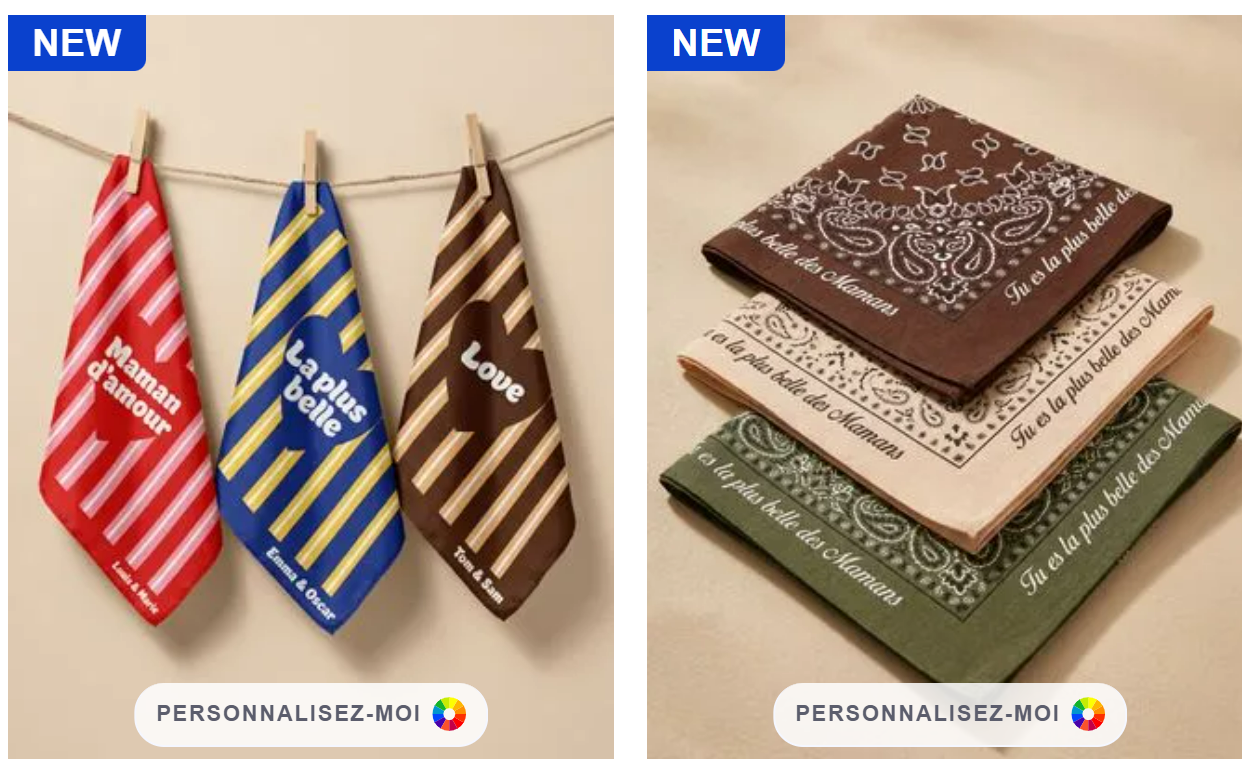
Stylish printed clothing has universal appeal because it combines fashion with personal identity. Unlike plain outfits, graphic apparel creates visual interest and allows individuals to showcase their tastes, emotions, and creativity. From teenagers experimenting with streetwear to adults preferring minimalist typography, printed fashion attracts people of all age groups.
Younger generations are especially drawn to graphic apparel because it reflects modern digital culture. Social media trends, online communities, and viral designs heavily influence fashion choices among teenagers and young adults. Printed hoodies, oversized graphic tees, and artistic accessories often become symbols of belonging within certain lifestyle or fandom communities.
At the same time, older generations appreciate graphic fashion for different reasons. Many adults prefer subtle printed designs featuring elegant typography, vintage artwork, or meaningful messages. Minimalist graphic pieces provide a balance between style and sophistication without appearing overly flashy.
Printed clothing also appeals to people because it offers variety. Consumers can choose from endless themes such as travel, fitness, gaming, nature, music, sports, art, or humor. This wide range of design possibilities ensures that everyone can find something matching their personality and interests.
Humor is another major reason graphic apparel remains popular across generations. Funny quotes, sarcastic slogans, and playful illustrations create entertainment while making outfits feel more relaxed and approachable. Humorous T-shirts often become conversation starters and help people express confidence socially.
Comfort and practicality also contribute to the broad appeal of printed fashion. Graphic T-shirts and hoodies are suitable for everyday wear because they are easy to style and highly comfortable. Unlike formal clothing, graphic apparel fits naturally into casual lifestyles while still allowing individuals to look fashionable.
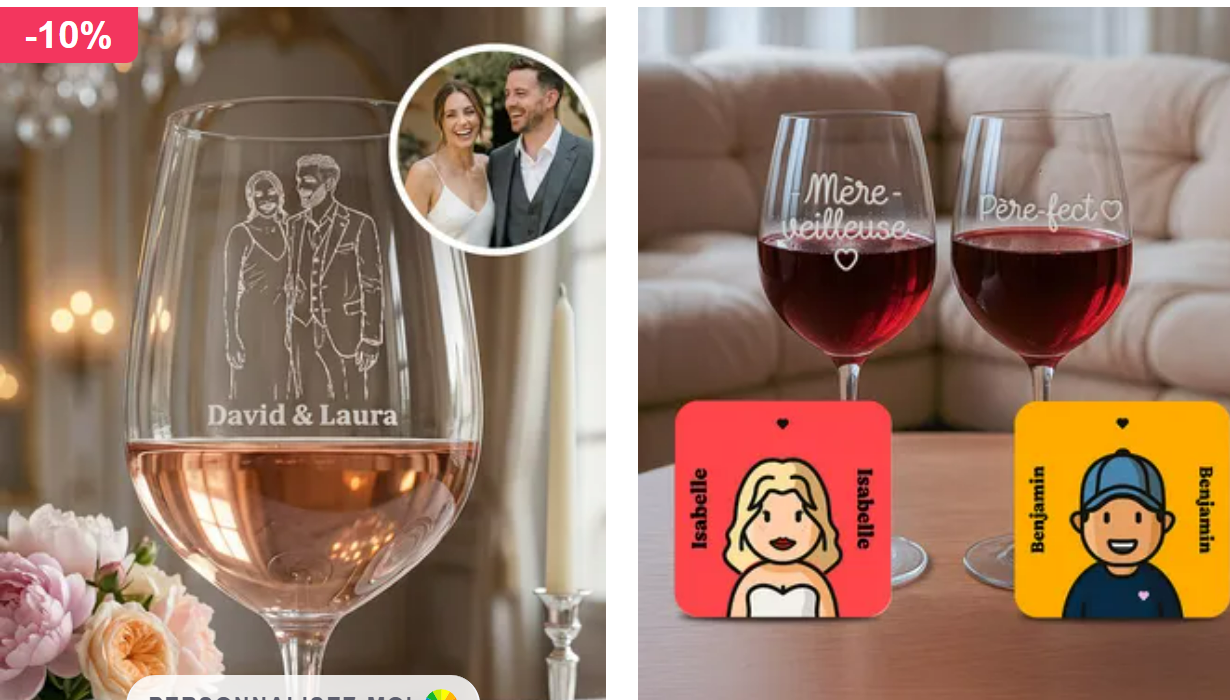
The rise of personalized fashion has further expanded the popularity of printed apparel. Consumers increasingly want custom products that feel unique rather than mass-produced. Personalized graphics, names, photos, and custom text designs allow buyers to create clothing that holds emotional value.
Another factor driving demand is affordability. Graphic apparel is available at various price points, making it accessible to a wide audience. Consumers can purchase trendy printed T-shirts without spending large amounts of money, which helps explain the constant popularity of the category.
Fashion trends also continuously reinvent graphic clothing styles. Vintage-inspired prints, retro logos, anime artwork, minimalist typography, oversized streetwear, and luxury graphics all emerge as popular trends at different times. This constant evolution keeps printed fashion fresh and exciting.
Accessories featuring graphic designs are also becoming increasingly important. Printed tote bags, caps, sneakers, phone cases, and backpacks allow people to extend personal style beyond clothing. Matching accessories help complete outfits while strengthening fashion identity.
Graphic apparel succeeds because it blends emotional expression with wearable comfort. It allows people to showcase creativity, connect with communities, and stay fashionable without sacrificing practicality. This timeless combination ensures printed clothing will remain relevant for generations to come.
Popular Trends in Graphic Apparel and Accessories
The world of graphic apparel changes rapidly as fashion trends evolve through social media, entertainment, and street culture. Every year, new styles and aesthetics influence the way people design and wear printed clothing. Understanding these trends helps both consumers and fashion brands stay connected to modern style preferences.
Oversized streetwear remains one of the most dominant trends in graphic fashion. Loose-fitting hoodies, baggy T-shirts, and relaxed sweatshirts featuring bold prints continue gaining popularity among younger audiences. Oversized silhouettes create comfort while also delivering a modern urban appearance inspired by skateboarding and hip-hop culture.
Minimalist typography has also become highly fashionable. Instead of loud graphics, many consumers now prefer clean text-based designs with subtle messages or motivational quotes. Neutral colors combined with elegant typography create stylish pieces that feel both modern and versatile.
Vintage-inspired graphics are another major trend. Retro logos, faded prints, and nostalgic artwork inspired by the 1980s and 1990s frequently appear in modern collections. Consumers enjoy vintage fashion because it combines old-school aesthetics with contemporary styling.
Anime and gaming culture have dramatically influenced graphic apparel as well. Fans proudly wear clothing inspired by favorite characters, games, and online communities. This trend has grown significantly due to streaming platforms, esports popularity, and global entertainment culture.
Artistic illustrations are becoming increasingly important in modern fashion collections. Hand-drawn artwork, abstract visuals, and experimental graphics help brands stand out in crowded markets. Consumers often appreciate clothing that feels creative and visually unique rather than mass-produced.
Eco-friendly graphic apparel is another growing trend. Sustainable fashion brands now use organic cotton, recycled materials, and environmentally friendly printing methods to attract conscious shoppers. Consumers increasingly value ethical production alongside stylish design.
Matching accessories have become essential within graphic fashion culture. Caps, tote bags, socks, sneakers, and backpacks featuring coordinated graphics help complete outfits and strengthen personal style. Fashion enthusiasts often use accessories to add individuality to simple looks.
Limited-edition collections also generate massive excitement in the fashion industry. Collaborations between artists, influencers, musicians, and brands create exclusive products that feel rare and collectible. Limited drops often sell out quickly because consumers enjoy owning unique items unavailable to everyone.
Gender-neutral fashion trends continue shaping modern graphic apparel as well. Many brands now focus on oversized fits and unisex styles that appeal to broader audiences. This inclusive approach allows individuals to prioritize comfort and self-expression over traditional fashion rules.
Customization is perhaps one of the most important trends influencing the future of graphic apparel. Consumers increasingly expect personalization options such as custom text, photos, colors, and design placement. Interactive online tools make it easier than ever to create unique products tailored to individual preferences.
The graphic apparel industry continues evolving because it constantly adapts to cultural shifts, digital trends, and consumer creativity. As fashion becomes more personal and expressive, graphic clothing and accessories will remain at the center of modern style culture.
Building a Successful Graphic Apparel Brand
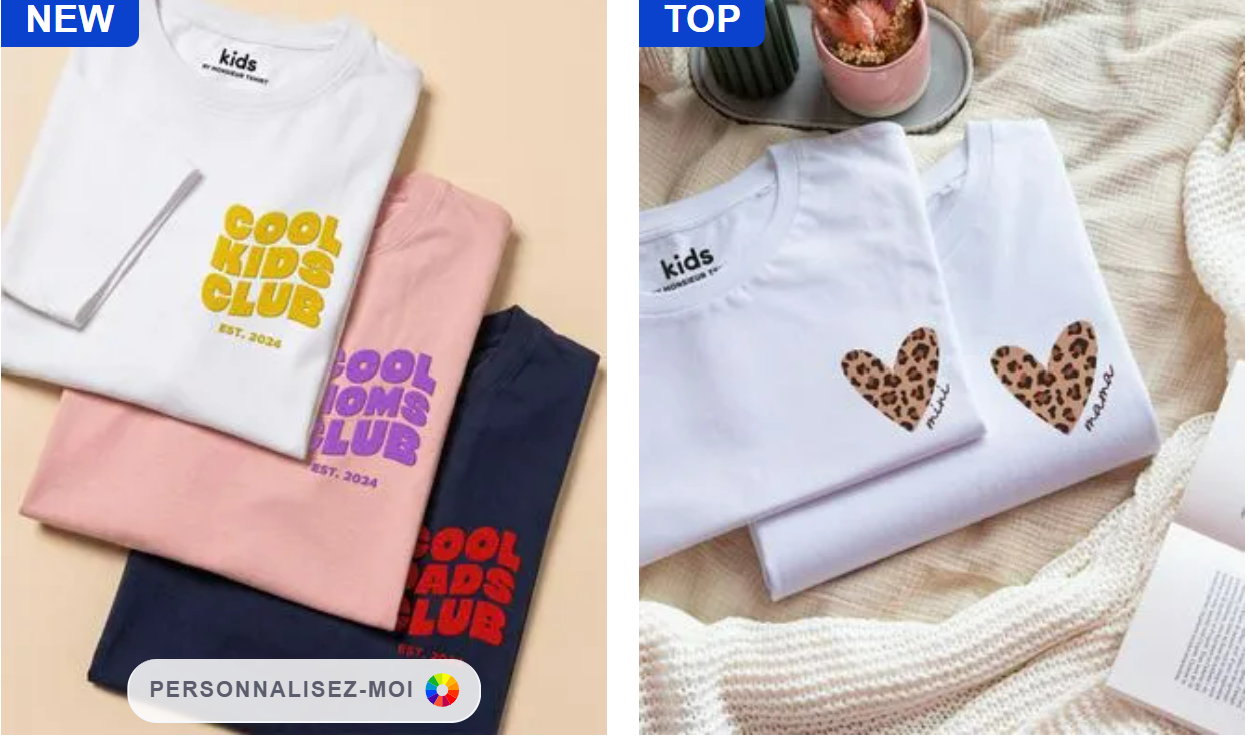
Launching a successful graphic apparel brand requires creativity, consistency, and a strong understanding of consumer trends. While the market is competitive, there are still many opportunities for brands that can create authentic designs and meaningful customer experiences.
The first step in building a successful brand is identifying a niche audience. Instead of targeting everyone, strong fashion brands often focus on specific communities such as gamers, fitness enthusiasts, anime fans, travelers, musicians, or streetwear lovers. Niche-focused branding helps create stronger emotional connections with customers.
Originality is extremely important in graphic fashion. Consumers are constantly exposed to thousands of designs online, so brands must offer something unique to stand out. Artistic creativity, strong storytelling, and consistent visual identity help establish memorable brand recognition.
High-quality products are essential for long-term success. Stylish graphics alone are not enough if the clothing feels uncomfortable or poorly made. Soft fabrics, durable stitching, premium printing, and reliable sizing improve customer satisfaction and encourage repeat purchases.
Brand identity also plays a major role. Successful graphic apparel companies usually have clear aesthetics and messaging. Some brands focus on humor, while others emphasize minimalist design, luxury streetwear, sustainability, or artistic creativity. Consistency across products, packaging, and marketing helps build trust and recognition.
Social media marketing is one of the most powerful tools available for fashion businesses today. Platforms like Instagram and TikTok allow brands to showcase products visually and engage directly with audiences. Influencer partnerships, viral content, and customer-generated photos can dramatically increase visibility.
E-commerce has made launching a fashion brand easier than ever before. Print-on-demand services allow entrepreneurs to sell custom products without maintaining large inventories. This reduces financial risk and allows creators to test different designs quickly.
Customer engagement is another key factor in business growth. Fashion brands that actively communicate with customers through social media, email marketing, and community events often build stronger loyalty. Consumers enjoy supporting brands that feel authentic and interactive.
Limited collections and exclusive releases can also create excitement and urgency. Many successful streetwear brands use limited-edition drops to increase demand and strengthen brand value. Scarcity often makes products feel more desirable and collectible.
Sustainability is becoming increasingly important in modern fashion branding. Consumers appreciate companies that use ethical production methods and environmentally friendly materials. Brands that combine stylish design with responsible business practices can build stronger long-term reputations.
The future of graphic apparel businesses looks highly promising because consumers continue prioritizing individuality and self-expression. Fashion is no longer just about trends—it is about identity, creativity, and emotional connection. Brands that understand this shift are more likely to succeed in the evolving fashion industry.
The Future of Stylish Graphic Fashion
The future of graphic fashion will likely become more creative, personalized, and technology-driven than ever before. As consumers continue searching for individuality and emotional connection in fashion, graphic apparel and accessories are expected to play an even larger role in global style culture.
Artificial intelligence may soon transform the design process entirely. AI-powered tools could help consumers generate custom graphics instantly based on personal interests, moods, or fashion preferences. This would make personalization faster and more accessible for everyone.
Augmented reality technology is also expected to influence online shopping experiences. Virtual fitting rooms and digital previews may allow consumers to see how graphic apparel looks before purchasing. This could improve customer confidence while reducing return rates.
Sustainability will remain one of the most important priorities shaping future fashion trends. Eco-friendly printing methods, recycled materials, biodegradable packaging, and ethical labor practices are likely to become industry standards rather than optional features. Consumers increasingly support brands that align with environmental values.
Digital fashion may create entirely new opportunities for graphic design as well. Virtual clothing for gaming platforms, social media avatars, and digital experiences is already gaining attention. Graphic artists may eventually create collections that exist both physically and digitally.
Customization will continue growing because modern consumers value products that feel personal and exclusive. Interactive online design platforms may become even more advanced, allowing customers to adjust colors, artwork, fits, and fabrics in real time.
Global culture and internet communities will also continue influencing graphic fashion trends. Anime, gaming, music, sports, internet humor, and social movements regularly inspire new designs. Fashion brands that remain connected to digital culture are more likely to stay relevant among younger audiences.
Independent creators will benefit from future technology as well. Online marketplaces and print-on-demand services make it easier for artists to launch their own apparel collections without major investments. This democratization of fashion encourages more creativity and diversity within the industry.
Luxury brands are also expected to continue embracing graphic apparel. High-end fashion houses increasingly incorporate bold prints, logos, and artistic collaborations into their collections because consumers enjoy combining comfort with premium style.
Accessories will remain an important part of graphic fashion culture. Printed bags, sneakers, jewelry, hats, and tech accessories help consumers create coordinated looks that extend personal identity beyond clothing alone.
Ultimately, stylish graphic apparel represents more than fashion trends. It combines creativity, storytelling, identity, and cultural influence into wearable art. As society continues valuing authenticity and individuality, graphic apparel collections will remain a major force shaping the future of global fashion.