

The evolution of language learning in a connected world
In a world where communication defines opportunity, language learning has transformed from a traditional classroom activity into a dynamic, technology-driven experience. The demand for real-world fluency has never been higher, as individuals seek to connect across cultures, explore global careers, and engage more deeply with diverse communities. This shift has paved the way for immersive learning platforms that go beyond memorization and instead focus on meaningful interaction, practical usage, and intuitive understanding.
Immersive learning is not just a trend; it represents a fundamental change in how people acquire new skills. Rather than relying solely on textbooks and grammar drills, learners now engage with language in context. They hear it spoken naturally, respond in real time, and gradually build confidence through repetition and exposure. This method mirrors how we naturally learn our first language, making the process more intuitive and effective.
The rise of digital platforms has made immersive learning accessible to a wider audience than ever before. People can now practice speaking, listening, reading, and writing anytime, anywhere. This flexibility empowers learners to take control of their journey, tailoring their experience to match their goals and pace. As a result, language learning is no longer confined to a classroom; it becomes a part of daily life, seamlessly integrated into routines.
What truly sets immersive learning apart is its focus on real-world application. Instead of learning phrases in isolation, users engage with scenarios they are likely to encounter, such as ordering food, traveling, or having conversations with native speakers. This practical approach ensures that learners are not just acquiring knowledge but also developing the ability to use it effectively in real situations.
As the world continues to become more interconnected, the importance of mastering new languages cannot be overstated. Immersive learning offers a pathway to fluency that is both engaging and efficient, allowing individuals to break down barriers and unlock new opportunities in ways that traditional methods simply cannot match.
How immersive technology transforms language acquisition
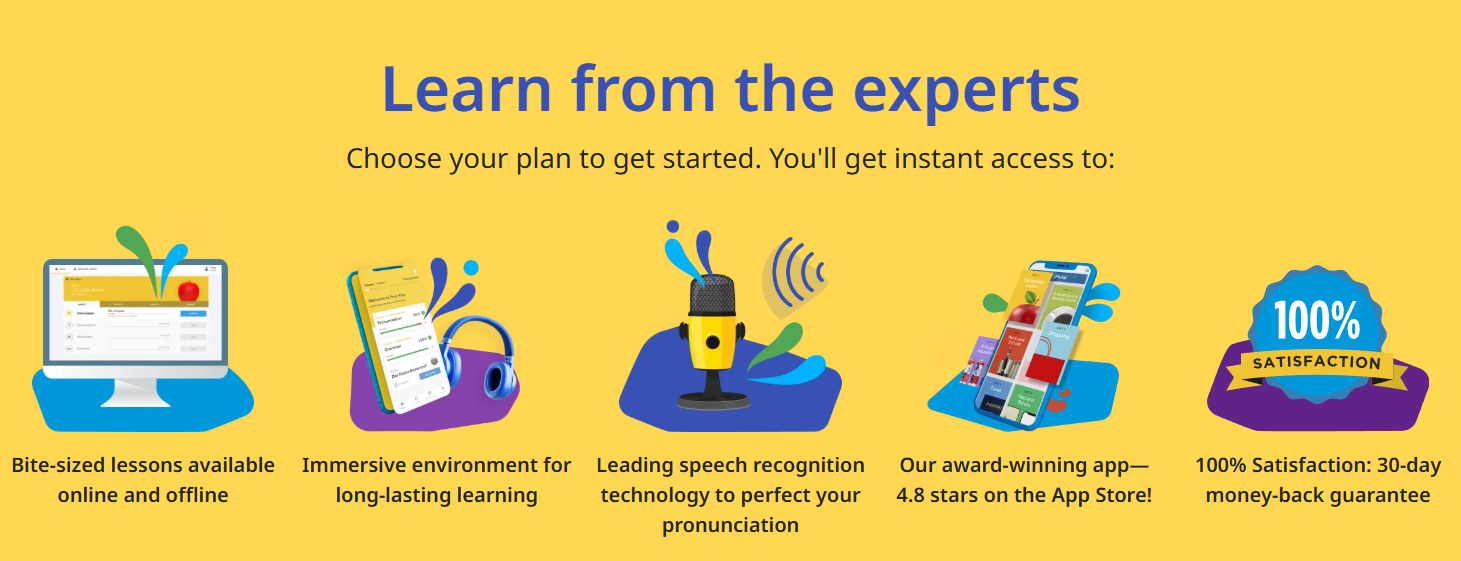
The integration of technology into language learning has revolutionized the way people approach fluency. Immersive platforms harness advanced tools such as speech recognition, interactive exercises, and adaptive learning algorithms to create a personalized experience for each user. These technologies analyze performance, identify strengths and weaknesses, and adjust content accordingly, ensuring that learners remain challenged yet supported.
One of the most impactful aspects of immersive technology is its ability to simulate real-life conversations. Through voice recognition and instant feedback, learners can practice pronunciation and intonation with remarkable accuracy. This immediate response helps correct mistakes early, preventing bad habits from forming and reinforcing correct usage over time. The result is a more natural and confident speaking ability.
Another key feature is contextual learning. Instead of presenting vocabulary lists, immersive platforms introduce words and phrases within meaningful scenarios. This approach helps learners understand not just what a word means but how it is used in everyday communication. By repeatedly encountering language in context, users develop a deeper and more intuitive grasp of grammar and structure.
Interactive storytelling and scenario-based exercises further enhance the learning experience. These activities place learners in situations where they must make choices, respond to prompts, and navigate conversations. This active participation fosters engagement and encourages critical thinking, making the learning process more enjoyable and memorable.
Additionally, immersive technology often incorporates elements of gamification. Progress tracking, rewards, and milestones motivate learners to stay consistent and committed. This sense of achievement reinforces positive behavior, turning language learning into a habit rather than a chore.
The combination of these technological advancements creates an environment where learning feels less like studying and more like experiencing. By engaging multiple senses and encouraging active participation, immersive platforms accelerate the path to fluency and make the journey both effective and enjoyable.
Building confidence through real world communication practice
Confidence is one of the most significant barriers in language learning. Many individuals understand grammar and vocabulary but hesitate to speak due to fear of making mistakes. Immersive learning addresses this challenge by creating a safe and supportive environment where learners can practice without judgment.
Through consistent exposure and repetition, users gradually become more comfortable with the language. They hear native pronunciation, mimic it, and receive feedback, allowing them to refine their skills over time. This process builds familiarity, which in turn reduces anxiety and boosts confidence.
Real-world communication practice is at the heart of this approach. Learners engage in dialogues that reflect everyday situations, such as introducing themselves, asking for directions, or participating in casual conversations. These scenarios prepare them for actual interactions, making the transition from practice to real life much smoother.
Another important aspect is the emphasis on listening skills. Understanding spoken language is often more challenging than reading or writing, especially when dealing with different accents and speeds. Immersive platforms expose learners to a variety of voices and contexts, helping them develop the ability to comprehend language in diverse situations.
Speaking practice is equally prioritized. By encouraging users to respond verbally, immersive learning ensures that they actively use the language rather than passively consume it. This active engagement reinforces memory and helps solidify knowledge.
Over time, learners begin to think in the target language rather than translating from their native tongue. This shift is a crucial milestone in achieving fluency, as it allows for more natural and spontaneous communication. Confidence grows as learners realize they can express themselves effectively and understand others with ease.
Ultimately, immersive learning transforms language acquisition from a theoretical exercise into a practical skill. By focusing on real-world communication, it empowers individuals to use language confidently and authentically in their daily lives.
Personalized learning journeys for every individual
No two learners are the same, and effective language education must reflect this diversity. Immersive platforms recognize that individuals have different goals, learning styles, and paces. By leveraging adaptive technology, they create personalized learning journeys that cater to each user’s unique needs.
From the moment a learner begins, the platform assesses their current level and tailors content accordingly. Beginners are introduced to foundational concepts, while more advanced users engage with complex scenarios and nuanced language. This customization ensures that learners are neither overwhelmed nor bored, maintaining a balanced and productive experience.
Progress tracking plays a crucial role in personalization. Learners can monitor their achievements, identify areas for improvement, and set goals for the future. This transparency fosters a sense of ownership and motivates users to stay committed to their journey.
Another advantage of personalized learning is flexibility. Users can choose when and how they study, fitting language practice into their daily routines. Whether it is a few minutes during a commute or a dedicated study session at home, the ability to learn on one’s own terms makes the process more sustainable.
Different types of exercises cater to various learning preferences. Visual learners benefit from images and written text, auditory learners engage with spoken language, and kinesthetic learners thrive through interactive activities. By incorporating multiple modalities, immersive platforms ensure that all users can find methods that resonate with them.
Personalization also extends to cultural context. Language is deeply intertwined with culture, and understanding this connection enhances communication. Immersive learning introduces cultural nuances, idiomatic expressions, and social norms, providing a more holistic understanding of the language.
This tailored approach not only improves effectiveness but also enhances enjoyment. When learners feel that the experience is designed specifically for them, they are more likely to stay engaged and achieve their goals. Personalized learning transforms language acquisition into a journey that is both meaningful and rewarding.
Unlocking global opportunities through fluency and connection
Language is more than a tool for communication; it is a gateway to new experiences, relationships, and opportunities. Achieving fluency opens doors that would otherwise remain closed, enabling individuals to explore the world with greater confidence and understanding.
In the professional realm, multilingual skills are highly valued. They enhance employability, facilitate international collaboration, and provide a competitive edge in a globalized economy. Employers increasingly seek individuals who can navigate diverse environments and communicate effectively with clients and colleagues from different backgrounds.
Travel is another area where language skills make a significant difference. Being able to speak the local language enriches the experience, allowing travelers to connect with people, understand cultural nuances, and navigate unfamiliar environments with ease. It transforms travel from a passive activity into an immersive adventure.
Language learning also fosters personal growth. It challenges the mind, improves cognitive abilities, and enhances problem-solving skills. Moreover, it cultivates empathy by encouraging learners to see the world from different perspectives. This deeper understanding of other cultures promotes tolerance and appreciation for diversity.
Social connections are strengthened through language. Whether it is forming friendships, building relationships, or engaging with communities, the ability to communicate in another language creates meaningful bonds. It breaks down barriers and brings people closer together.
Immersive learning plays a crucial role in unlocking these opportunities. By focusing on real-world fluency, it equips learners with the skills they need to navigate various situations confidently. It bridges the gap between knowledge and application, ensuring that learners are prepared to use the language effectively in their personal and professional lives.
As the world continues to evolve, the importance of communication and connection will only grow. Embracing immersive learning is not just about acquiring a new skill; it is about expanding horizons, embracing diversity, and unlocking a future filled with possibilities.