
The rapid growth of e-commerce has reshaped the European furniture industry, creating space for digitally native brands like Selsey to compete alongside traditional retail giants. Consumers are increasingly comfortable purchasing large household items online, driven by convenience, competitive pricing, and wider product availability. This transformation has encouraged companies to invest heavily in digital platforms, user-friendly websites, and visually rich product presentations.
For Selsey, operating as an online-focused retailer provides both flexibility and scalability. Without the limitations of maintaining large showroom networks, the company can introduce new collections quickly and respond to emerging interior trends with agility. The ability to update product lines, adjust pricing strategies, and expand into new European markets demonstrates how digital infrastructure supports growth in modern retail environments.
However, digital-first retail also demands strong backend operations. Inventory management, warehousing efficiency, and reliable delivery partnerships become critical components of overall brand success. As consumer expectations for fast shipping and transparent tracking continue to rise, online furniture brands must consistently refine their logistical capabilities.
Interior Trends Influencing Selsey’s Collections
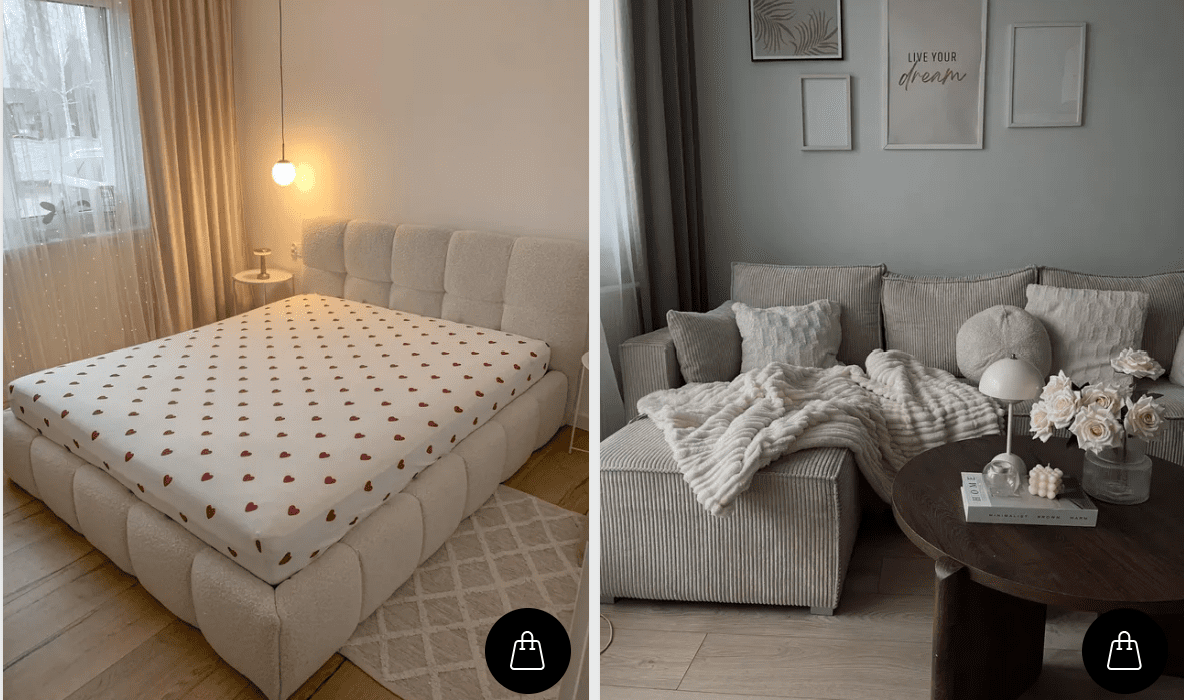
Modern European interiors increasingly reflect a desire for simplicity, warmth, and practicality. Neutral color schemes, textured fabrics, and multifunctional furniture dominate contemporary design trends. Selsey’s collections often mirror these preferences, offering sofas in soft beige and grey tones, wooden finishes inspired by natural materials, and modular systems designed for flexibility.
The growing popularity of open-plan living spaces has also influenced furniture design. Pieces that visually separate areas without overwhelming them—such as open shelving units or lightweight partitions—are in demand. Furniture must complement architectural flow while maintaining individual character. Selsey’s emphasis on clean lines and balanced proportions aligns with this architectural evolution.
Another influential trend is personalization. Customers increasingly seek ways to reflect their identities through home décor. Accent chairs, statement lighting, and textured rugs allow individuals to create distinct atmospheres without redesigning entire spaces. By providing a mix of foundational furniture and decorative elements, Selsey supports this desire for self-expression.
Balancing Style and Functionality in Everyday Living
Furniture serves practical needs, but it also shapes how people experience their homes. A comfortable sofa encourages relaxation, a sturdy dining table becomes a gathering place, and an ergonomic desk supports productivity. Selsey’s product offerings reflect this understanding of furniture as both functional equipment and emotional investment.
Storage solutions are particularly important in modern homes. As living spaces shrink in urban environments, maximizing available square footage becomes essential. Storage beds, compact wardrobes, wall-mounted shelving, and multifunctional cabinets help homeowners maintain organization without sacrificing aesthetics. The integration of concealed storage within stylish designs illustrates how form and function can coexist.
Comfort also remains a decisive factor in purchasing decisions. Upholstery quality, cushioning density, and material durability influence long-term satisfaction. When furniture balances visual appeal with physical comfort, it enhances everyday routines and strengthens the emotional connection between individuals and their living environments.
Challenges in Online Furniture Logistics
Selling furniture online presents unique logistical challenges. Unlike small consumer goods, sofas and wardrobes require specialized packaging, handling, and transportation. Delivery delays or minor damages during transit can significantly impact customer satisfaction.
For brands such as Selsey, efficient coordination between warehouses and delivery partners is vital. Clear communication regarding shipping timelines, assembly instructions, and return policies can reduce uncertainty for customers. Transparent processes build trust and demonstrate accountability.
As technology advances, logistics systems may incorporate real-time tracking, predictive delivery windows, and automated customer notifications. These innovations can streamline operations and minimize friction within the purchasing journey. Continuous improvement in these areas is essential for maintaining competitiveness in the online furniture sector.
Sustainability and Responsible Production

Sustainability has become an increasingly important consideration in home furnishing decisions. Consumers are more aware of environmental impact, material sourcing, and product lifespan than ever before. Furniture brands are responding by exploring eco-friendly materials, reducing packaging waste, and implementing responsible manufacturing processes.
For a retailer like Selsey, sustainability can represent both a challenge and an opportunity. Expanding environmentally conscious collections, highlighting durable construction, and promoting long-term usability align with modern consumer values. Sustainable practices not only reduce ecological footprint but also strengthen brand credibility in a socially conscious marketplace.
Durability is a crucial component of sustainability. Furniture designed to last for years reduces the need for frequent replacement, lowering overall consumption. By emphasizing quality and longevity, brands can contribute to more responsible home furnishing habits.
The Future of Selsey in a Competitive Landscape
The European furniture industry will likely continue evolving through technological innovation and shifting lifestyle preferences. Virtual room planners, augmented reality previews, and customizable design tools are becoming increasingly common in online retail. Integrating such features can help customers visualize products in their own homes, reducing uncertainty and enhancing purchasing confidence.
Market competition will remain intense, with global retailers and local brands constantly refining their strategies. To maintain growth, Selsey may focus on improving service efficiency, strengthening quality control, and expanding digital engagement. Customer trust, built through consistent performance and transparent communication, will remain central to long-term success.
Ultimately, Selsey reflects the transformation of furniture retail in the digital era. Its wide product selection, trend-conscious designs, and accessible pricing demonstrate how modern brands adapt to changing consumer expectations. As homes continue to evolve into multifunctional spaces for living, working, and socializing, companies that combine innovation with reliability will shape the next generation of interior design experiences.