
The essence of layering in modern fashion
Layering is more than just a practical way to stay warm; it is a creative language that allows individuals to express personality, mood, and style without saying a word. The art of layering clothes has evolved from necessity into a defining element of contemporary fashion, where textures, silhouettes, and colors come together to form visually engaging outfits. At its core, layering is about balance—balancing proportions, fabrics, and tones to create harmony while still making a statement.
Understanding layering begins with recognizing how each piece interacts with the others. A simple outfit can transform into something dynamic when thoughtfully layered. A lightweight shirt under a structured jacket, paired with a flowing scarf or a contrasting vest, can turn an ordinary look into something refined and intentional. The beauty lies in the subtle complexity, where every layer contributes to the overall aesthetic without overwhelming it.
Seasonality plays a significant role in layering, but true mastery goes beyond weather considerations. It involves knowing when to add or remove elements to maintain both comfort and style. In warmer climates, layering might mean combining breathable fabrics like cotton and linen, while colder seasons invite heavier materials such as wool and leather. The goal is not just warmth or coolness but the seamless integration of function and fashion.
Layering also invites experimentation. It encourages stepping outside traditional outfit formulas and exploring unconventional combinations. Mixing casual and formal elements, pairing oversized pieces with fitted ones, or blending different textures can result in a look that feels fresh and personal. This freedom is what makes layering such a powerful tool in fashion—it allows for endless reinvention without requiring an entirely new wardrobe.
Ultimately, layering is about storytelling. Each piece you add tells a part of your style narrative. Whether you prefer minimalist elegance or bold, eclectic combinations, layering gives you the flexibility to evolve your look while staying true to your identity. It transforms clothing from mere garments into a curated expression of self.
Building a strong foundation with essential pieces
Every great layered outfit starts with a solid foundation. The base layer sets the tone for everything that follows, making it one of the most crucial elements in the layering process. This layer is typically lightweight, comfortable, and close-fitting, designed to provide both structure and versatility. Think of it as the canvas upon which the rest of your outfit is built.
Choosing the right base layer involves paying attention to fabric, fit, and color. Neutral tones often work best because they provide a seamless backdrop for additional layers. However, incorporating subtle patterns or textures can add depth without overpowering the look. The key is to ensure that the base layer complements rather than competes with the other pieces.
Fit is equally important. A well-fitted base layer prevents bulkiness and ensures that additional layers sit properly. Tight or tailored pieces work best because they create a streamlined silhouette, allowing outer layers to drape naturally. This is especially important when working with multiple layers, as improper fit can quickly lead to a cluttered appearance.
Once the base layer is established, the mid-layer comes into play. This is where you can introduce more personality into your outfit. Sweaters, cardigans, or lightweight jackets add warmth and visual interest. The mid-layer should contrast slightly with the base layer, either through texture or color, to create dimension.
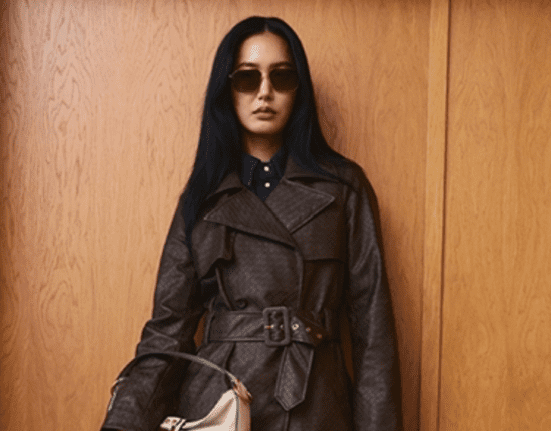
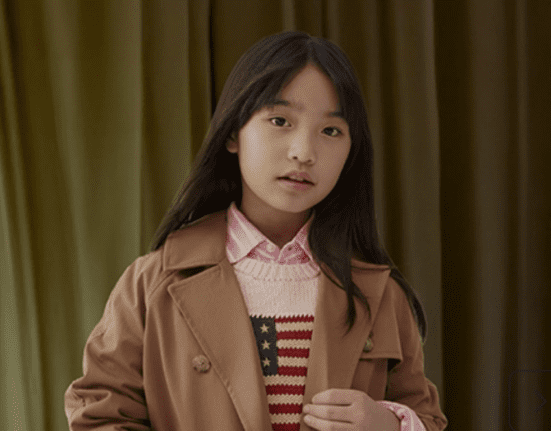
The outer layer serves as the finishing touch, tying the entire look together. Coats, blazers, or statement jackets not only provide protection from the elements but also define the overall aesthetic. A structured coat can add sophistication, while a relaxed jacket can create a casual vibe. The outer layer is often the most visible part of the outfit, making it an opportunity to showcase your style.
Accessories also play a vital role in building a strong foundation. Scarves, belts, and even hats can enhance the layered look, adding both functionality and flair. When chosen carefully, these elements can elevate your outfit without overwhelming it, completing the layered ensemble with finesse.
Mastering textures and fabrics for depth
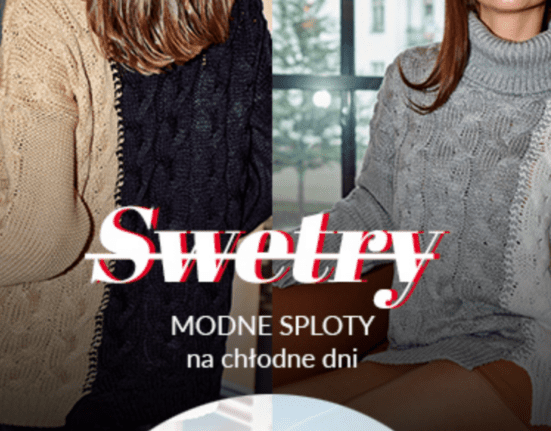
One of the most exciting aspects of layering is the opportunity to play with textures and fabrics. Combining different materials adds richness and complexity to an outfit, making it visually engaging and unique. The interplay between smooth, rough, soft, and structured fabrics creates a sense of depth that cannot be achieved with a single layer.
Understanding how different fabrics interact is essential. Pairing contrasting textures often yields the best results. For example, a soft knit sweater layered over a crisp cotton shirt creates a pleasing contrast that enhances both pieces. Similarly, combining a sleek leather jacket with a flowing fabric underneath adds an element of sophistication and edge.
Seasonal fabrics also influence layering choices. In colder months, heavier materials like wool, tweed, and fleece dominate, offering warmth and structure. These fabrics can be layered in varying weights to create a cozy yet stylish look. In contrast, warmer seasons call for lighter fabrics such as linen, silk, and chambray, which allow for breathability while still enabling creative layering.
Texture is not limited to fabric alone; it also includes details like stitching, patterns, and finishes. Quilted jackets, ribbed sweaters, or embroidered tops can add subtle texture that enhances the overall outfit. These details may seem small, but they contribute significantly to the visual appeal of layered looks.
Balancing textures is crucial to avoid overwhelming the outfit. Too many heavy or bold textures can create a chaotic appearance, while too many similar textures may look flat and uninspired. The goal is to strike a balance that feels cohesive and intentional. This often involves mixing one or two statement textures with more subdued ones to create harmony.
Color also plays a role in how textures are perceived. Darker shades tend to emphasize structure and depth, while lighter tones highlight softness and fluidity. By combining different textures and colors, you can create a layered look that feels dynamic and well thought out.
Mastering textures and fabrics takes practice, but it is one of the most rewarding aspects of layering. It allows you to transform simple pieces into something extraordinary, adding character and dimension to your wardrobe.
Balancing proportions for a flattering silhouette
Layering can easily become overwhelming if proportions are not carefully considered. Achieving a balanced silhouette is essential to ensure that your outfit looks polished rather than bulky. The key lies in understanding how different layers affect the overall shape of your body.
One of the fundamental principles of proportion is contrast. Pairing fitted pieces with looser ones creates a balanced look that feels intentional. For instance, a slim-fitting top can be paired with a more relaxed outer layer, allowing each piece to stand out without competing. This contrast helps maintain a streamlined appearance while still embracing the complexity of layering.
Length is another important factor. Varying the lengths of your layers adds visual interest and prevents the outfit from looking monotonous. A longer shirt under a shorter jacket, or a cropped top layered over a longer base, creates a sense of movement and dimension. These subtle variations can make a significant difference in the overall aesthetic.
Understanding your body shape also plays a role in balancing proportions. Layering should enhance your natural silhouette rather than obscure it. Strategic layering can highlight your best features while minimizing areas you may want to downplay. For example, adding a structured jacket can define the waist, while a flowing outer layer can create a more relaxed and elongated look.
Avoiding excessive bulk is crucial. While layering involves multiple pieces, it should never feel heavy or cumbersome. Choosing lightweight materials and ensuring proper fit can help maintain a comfortable and flattering silhouette. This is especially important when layering in colder seasons, where thicker fabrics are more common.
Movement is another aspect to consider. A well-layered outfit should allow for ease of movement without feeling restrictive. This not only enhances comfort but also contributes to the overall elegance of the look. When layers move naturally with the body, they create a sense of fluidity that elevates the outfit.
Balancing proportions is both an art and a science. It requires attention to detail and a willingness to experiment. By understanding how different elements interact, you can create layered outfits that are both stylish and flattering.
Elevating everyday outfits with creative layering
Layering has the power to transform even the simplest outfits into something extraordinary. It allows you to reimagine your wardrobe, creating new looks from pieces you already own. This creativity is what makes layering such a valuable skill in fashion.
Everyday outfits often rely on basic combinations, but layering introduces a new level of sophistication. A simple shirt and jeans can become a stylish ensemble when paired with a tailored blazer, a textured scarf, or a statement coat. These additions not only enhance the look but also reflect your personal style.
Color coordination plays a significant role in creative layering. Monochromatic outfits, where different shades of the same color are layered together, create a sleek and cohesive appearance. On the other hand, contrasting colors can add vibrancy and energy, making the outfit stand out. The choice depends on the mood you want to convey.
Patterns can also be incorporated into layered looks. Mixing patterns requires a careful approach, but when done correctly, it can result in a bold and unique style. The key is to maintain a sense of balance, ensuring that the patterns complement rather than clash with each other.
Layering also offers practical benefits. It allows you to adapt to changing temperatures throughout the day, making it both functional and fashionable. This adaptability is especially useful in transitional seasons, where weather conditions can be unpredictable.
Accessories provide the final touch in elevating layered outfits. A well-chosen scarf, belt, or piece of jewelry can tie the entire look together, adding a sense of completeness. These small details often make the biggest impact, enhancing the overall aesthetic without overwhelming it.
Ultimately, creative layering is about confidence. It encourages you to experiment, take risks, and develop your unique style. By embracing the art of layering, you can transform your everyday outfits into stylish statements that reflect your individuality with ease.