
Understanding Fashion Beyond Trends
Fashion is often misunderstood as a cycle of ever-changing trends, but in reality, it is much deeper than seasonal styles and fleeting influences. At its core, fashion is a form of communication. It reflects who you are, how you feel, and how you want to be perceived. Every outfit you wear sends a message, whether subtle or bold.
In today’s fast-paced digital world, trends emerge and fade quickly. Social media platforms constantly introduce new styles, making it easy to feel pressured to keep up. However, true style is not about following every trend—it is about understanding what resonates with you and adapting it in a way that feels authentic.
When you begin to view fashion as a personal journey rather than a competition, your approach changes. You start to focus on what suits your lifestyle, your comfort, and your personality. This shift allows you to build a wardrobe that feels intentional rather than overwhelming.
Fashion also evolves with you. As your experiences grow, your preferences naturally change. What once felt right may no longer align with your current self. Embracing this evolution is key to developing a style that remains relevant and meaningful over time.
Building a Wardrobe That Stands the Test of Time
A timeless wardrobe is not built overnight. It requires thoughtful planning and a clear understanding of what works for you. The goal is to create a collection of pieces that can be worn across different occasions and seasons without losing their appeal.
Timeless fashion is rooted in simplicity. Clean lines, classic silhouettes, and neutral tones form the foundation of a wardrobe that never goes out of style. These elements provide flexibility, allowing you to create a variety of outfits with minimal effort.
Essential pieces play a crucial role in this process. A well-tailored blazer, a crisp white shirt, a pair of perfectly fitted trousers, and a versatile dress are all examples of items that can be styled in multiple ways. These pieces act as building blocks, making it easier to assemble outfits that feel polished and cohesive.
Quality is equally important. Investing in well-made garments ensures durability and longevity. High-quality clothing maintains its shape, color, and texture over time, making it a worthwhile addition to your wardrobe. While it may require a higher initial investment, it ultimately reduces the need for frequent replacements.
Another key aspect of building a timeless wardrobe is versatility. Each piece should be able to pair effortlessly with others. This not only simplifies your daily routine but also encourages creativity in styling.
The Power of Fit and Tailoring
One of the most overlooked aspects of fashion is fit. No matter how stylish or expensive a garment is, it will not look its best if it does not fit properly. Fit has the power to transform your entire appearance, turning a simple outfit into something refined and elegant.
Understanding your body shape is essential in choosing the right fit. Different cuts and silhouettes complement different body types. By identifying what works best for you, you can enhance your natural features and create a balanced look.
Tailoring is an invaluable tool in achieving the perfect fit. Small adjustments can make a significant difference. Shortening the length of trousers, adjusting the waist of a jacket, or refining sleeve lengths can elevate a garment from average to exceptional.
Well-fitted clothing also contributes to comfort. When your clothes fit properly, they allow you to move freely and confidently. This comfort translates into better posture and a more polished overall appearance.
Fit is not about following strict rules; it is about finding what makes you feel confident and at ease. When your clothing aligns with your body, it enhances both your style and your self-assurance.
Choosing Colors That Enhance Your Style
Color is one of the most powerful tools in fashion. It has the ability to influence mood, create visual harmony, and highlight certain features. Understanding how to use color effectively can significantly elevate your style.
Neutral tones form the foundation of a timeless wardrobe. Colors such as black, white, beige, gray, and navy are versatile and easy to combine. They create a clean and sophisticated look that can be adapted for various occasions.
Building your wardrobe around neutral colors simplifies outfit coordination. It allows you to mix and match pieces effortlessly, creating multiple looks without the need for excessive clothing. This approach is both practical and aesthetically pleasing.
While neutrals provide stability, adding color can bring personality to your style. A vibrant accessory, a bold top, or a statement coat can introduce energy into your outfit. The key is to use color strategically, ensuring that it complements rather than overwhelms your overall look.
Understanding your skin tone can also help in selecting flattering colors. Certain shades enhance your natural complexion, making you appear more vibrant and confident.
The Role of Fabrics and Textures in Fashion
Fabrics and textures play a crucial role in defining the quality and feel of your clothing. They influence not only how an outfit looks but also how it feels and performs throughout the day.
Natural fabrics such as cotton, linen, wool, and silk are often associated with luxury and comfort. They are breathable, durable, and have a refined appearance. Investing in these materials can elevate even the simplest outfits.
The way a fabric drapes on your body affects the overall silhouette. Soft, flowing fabrics create an effortless and relaxed look, while structured materials add definition and sharpness. Understanding these characteristics allows you to choose fabrics that align with your desired style.
Texture adds depth and dimension to your outfits. Combining different textures—such as pairing a smooth blouse with a textured jacket—creates visual interest. This technique can make your style appear more dynamic and thoughtfully curated.
Durability is another important factor. High-quality fabrics maintain their shape and appearance over time, reducing the need for frequent replacements. This not only saves money but also promotes a more sustainable approach to fashion.
Balancing Trends with Personal Style
Fashion trends can be exciting and inspiring, but they should not dictate your entire wardrobe. The key to maintaining a strong personal style is balance. Trends should complement your existing wardrobe, not replace it.
Adopting every trend can lead to a cluttered and inconsistent style. Instead, focus on selecting trends that align with your personality and preferences. This selective approach ensures that your wardrobe remains cohesive and authentic.
Incorporating trends in small ways is often the most effective strategy. Accessories, footwear, or a single statement piece can introduce a modern touch without overwhelming your look. This allows you to stay current while preserving your unique style.
It is also important to consider practicality. Not all trends are suitable for everyday wear. Choose pieces that fit your lifestyle and can be worn comfortably in your daily routine.
By balancing timeless elements with modern influences, you create a wardrobe that feels both fresh and enduring.
The Importance of Accessories in Defining Style
Accessories are often underestimated, but they play a significant role in completing an outfit. They add detail, personality, and a sense of intention to your overall look.
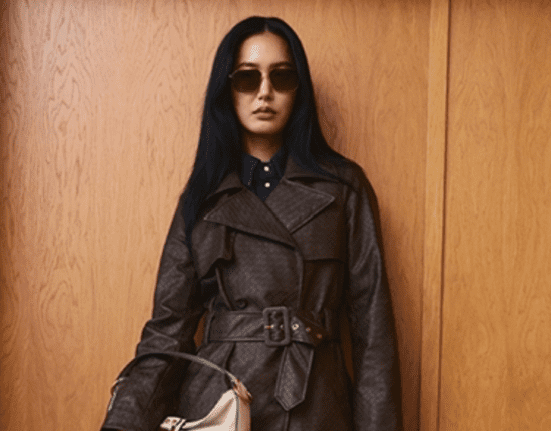
Items such as bags, watches, belts, and jewelry can transform even the simplest outfit. A structured bag can add sophistication, while a statement necklace can bring attention to your neckline.
The key to accessorizing is moderation. Too many accessories can make your outfit appear cluttered. Instead, focus on a few well-chosen pieces that complement your style.
Quality matters in accessories as well. Well-crafted items tend to last longer and maintain their appearance over time. Investing in timeless accessories ensures that they remain relevant regardless of changing trends.
Accessories also provide an opportunity to experiment with different styles. They allow you to add variety to your wardrobe without making significant changes.
Creating a Functional and Versatile Wardrobe
A functional wardrobe is one that works for your lifestyle. It should include pieces that are suitable for your daily activities while still reflecting your personal style.
Versatility is key in achieving this balance. Each item in your wardrobe should be able to pair with multiple others, creating a range of outfit options. This reduces the need for excessive clothing and makes your wardrobe more efficient.
Planning your wardrobe around your routine can help in making better choices. Consider the environments you spend the most time in and select clothing that meets those needs.
Layering is another useful technique. It allows you to adapt your outfits to different weather conditions and occasions. A well-layered outfit not only provides functionality but also adds depth to your style.
Confidence: The Foundation of Great Style
No matter how well-curated your wardrobe is, confidence remains the most important element of fashion. It is what brings your style to life and makes it memorable.
Confidence comes from feeling comfortable and authentic in what you wear. When your clothing aligns with your personality, it enhances your self-assurance. This confidence is visible and has a lasting impact.
Developing confidence in your style takes time. It involves experimenting, learning from mistakes, and understanding what works best for you. The more you explore, the more refined your style becomes.
Body language also plays a role. Standing tall, maintaining good posture, and carrying yourself with ease can elevate any outfit. Confidence is not just about appearance—it is about presence.
Evolving Your Style Over Time
Fashion is not static. It evolves as you grow and experience new things. Allowing your style to change is essential in keeping it relevant and meaningful.
As your lifestyle changes, your wardrobe should adapt accordingly. This may involve updating certain pieces, experimenting with new styles, or refining your overall aesthetic.
Letting go of items that no longer serve you is also part of the process. A clutter-free wardrobe makes it easier to focus on pieces that truly reflect your current style.
Continuous learning and inspiration can help in this journey. Observing different styles, exploring new ideas, and staying open to change ensures that your fashion sense continues to develop.