
The rise of modern fashion movements and their cultural impact
Fashion has never been a static expression; it is a living, breathing reflection of society, culture, and individual identity. The evolution of modern fashion is deeply intertwined with social change, technological advancement, and global connectivity. From the structured elegance of early twentieth-century attire to the fluid, expressive, and inclusive styles of today, fashion has transformed into a powerful medium of self-expression rather than a rigid system of rules.
In earlier decades, fashion trends were dictated by a small group of designers and fashion houses. What appeared on runways in Paris, Milan, or New York would trickle down slowly into mainstream culture. Today, that hierarchy has been disrupted. Social media platforms, street style, and digital creators have democratized fashion, allowing trends to emerge from anywhere and anyone. This shift has made fashion more accessible, diverse, and reflective of real-world identities.
Modern fashion movements are also shaped by cultural conversations. Sustainability, inclusivity, and individuality have become central themes. Consumers are now more aware of how their clothing choices impact the environment and society. This awareness has led to the rise of ethical fashion, second-hand shopping, and slow fashion movements. At the same time, there is a growing emphasis on body positivity and representation, which has expanded the definition of beauty and style.
Technology has further accelerated the evolution of fashion. Online shopping, virtual try-ons, and AI-driven recommendations have transformed how people discover and purchase clothing. Trends now spread globally within hours, influenced by viral content and digital storytelling. This rapid pace has made fashion more dynamic but also more overwhelming, as individuals are constantly exposed to new styles and ideas.
Despite these changes, one thing remains constant: fashion is a form of communication. It tells a story about who you are, what you value, and how you see the world. Understanding the evolution of modern fashion is the first step toward navigating trends in a way that feels authentic and meaningful.
The shift from trend following to personal expression in style
In the past, fashion was often about conformity. People looked to magazines, celebrities, and designers to determine what was “in” and what was “out.” Following trends was seen as a way to stay relevant and stylish. However, modern fashion has shifted away from strict trend adherence toward a more personalized approach.
Today, style is less about fitting in and more about standing out. Individuals are encouraged to interpret trends rather than replicate them. This shift has empowered people to experiment with their clothing choices and develop a unique aesthetic that reflects their personality. Instead of asking, “What is trending?” the question has become, “What feels right for me?”
This transformation is largely driven by the diversity of influences available. With access to global fashion inspiration, individuals can blend elements from different cultures, eras, and subcultures. Vintage pieces can be paired with contemporary designs, and high fashion can be mixed with streetwear. The result is a more eclectic and individualized approach to style.
Another factor contributing to this shift is the growing rejection of fast fashion’s uniformity. Many people are moving away from mass-produced clothing that looks the same everywhere. Instead, they are seeking unique pieces that tell a story, whether through thrift shopping, supporting independent designers, or customizing their own garments.
Personal expression in fashion also extends beyond clothing. Accessories, hairstyles, and even the way outfits are styled play a crucial role in defining one’s look. Small details can make a significant difference, turning a simple outfit into a statement.
This evolution has made fashion more inclusive and accessible. There is no longer a single standard of what is fashionable. Instead, there is a spectrum of styles, each valid and celebrated in its own way. Embracing this mindset allows individuals to approach fashion with confidence and creativity rather than pressure and comparison.
Understanding fashion cycles and the return of past trends
Fashion is often described as cyclical, and modern trends frequently draw inspiration from the past. Styles that were once considered outdated are constantly being reimagined and reintroduced. This cycle is not random but influenced by nostalgia, cultural shifts, and the desire for reinvention.
The resurgence of past trends can be seen in various ways. Silhouettes, fabrics, and patterns from previous decades are reinterpreted to fit contemporary tastes. For example, wide-leg pants, oversized blazers, and vintage prints have all made significant comebacks in recent years. These elements are not simply copied but adapted to align with modern aesthetics and lifestyles.
Nostalgia plays a powerful role in this process. People often romanticize past eras, associating them with certain emotions or cultural moments. By incorporating elements from these periods into current fashion, designers and consumers create a sense of familiarity and comfort while still embracing innovation.
However, understanding fashion cycles is not just about recognizing trends; it is about learning how to use them effectively. Not every returning trend will suit every individual, and that is where personal style becomes essential. Instead of adopting a trend simply because it is popular, it is important to evaluate how it aligns with your preferences, body type, and lifestyle.
Adapting past trends also involves creativity. A vintage-inspired piece can be styled in a way that feels fresh and modern. For instance, pairing a retro item with contemporary basics can create a balanced and unique look. This approach allows you to participate in trends without losing your individuality.
The cyclical nature of fashion also encourages sustainability. By revisiting and reusing styles, the industry moves away from the idea of constant disposal and replacement. This perspective promotes a more mindful approach to consumption, where clothing is valued for its longevity and versatility rather than its novelty.
Building a wardrobe that balances trends and timeless pieces
Creating a wardrobe that successfully integrates trends while maintaining a sense of timelessness is a key aspect of modern style. While trends bring excitement and variety, timeless pieces provide stability and versatility. Striking the right balance between the two ensures that your wardrobe remains functional, stylish, and reflective of your personality.
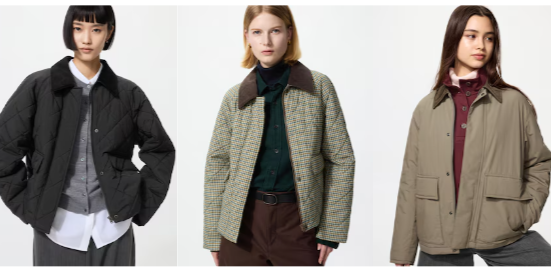
Timeless pieces serve as the foundation of any wardrobe. These are items that never go out of style and can be worn across different seasons and occasions. They are often characterized by simple designs, neutral colors, and high-quality materials. Examples include well-fitted trousers, classic shirts, and versatile outerwear. These pieces act as a canvas, allowing you to experiment with trends without overwhelming your overall look.
Trends, on the other hand, add a sense of freshness and relevance. They allow you to explore new styles and keep your wardrobe dynamic. However, incorporating trends should be done thoughtfully. Instead of investing heavily in fleeting items, consider choosing a few trend-driven pieces that complement your existing wardrobe.
One effective approach is to use trends as accents rather than the main focus. Accessories, shoes, or statement items can introduce current styles without requiring a complete wardrobe overhaul. This method not only saves money but also ensures that your outfits remain cohesive and wearable over time.
Quality is another important factor. Investing in well-made clothing ensures durability and comfort, making it easier to maintain a consistent style. Fast fashion may offer quick access to trends, but it often lacks longevity. Choosing quality over quantity leads to a more sustainable and satisfying wardrobe.
Organization and awareness also play a role. Understanding what you already own helps you make better decisions when adding new pieces. A thoughtful wardrobe is not about having more clothes but about having the right clothes that work together seamlessly.
Ultimately, a balanced wardrobe reflects both your individuality and your awareness of fashion. It allows you to engage with trends while staying true to your personal style, creating a look that is both contemporary and enduring.
Adapting fashion trends to reflect your unique identity
Adapting fashion trends to your personal style is both an art and a process of self-discovery. It requires an understanding of who you are, what you feel comfortable in, and how you want to present yourself to the world. Rather than blindly following trends, the goal is to interpret them in a way that enhances your individuality.
The first step in this process is self-awareness. Identifying your preferences, lifestyle, and body type helps you determine which trends are worth exploring. Not every trend will resonate with you, and that is perfectly acceptable. The key is to choose elements that align with your identity rather than forcing yourself into styles that feel unnatural.
Experimentation is an essential part of developing personal style. Trying new combinations, colors, and silhouettes allows you to discover what works best for you. This experimentation does not have to be extreme; small changes can lead to significant insights. Over time, these experiences help you refine your aesthetic and build confidence in your choices.
Comfort is another crucial factor. Fashion should not come at the expense of physical or emotional ease. When you feel comfortable in what you wear, it naturally enhances your confidence and presence. This confidence is often more impactful than the clothing itself.
Inspiration can come from many sources, including art, culture, travel, and everyday life. Observing how others style their outfits can provide ideas, but it is important to adapt rather than imitate. Personal style is not about copying but about creating something uniquely yours.
Consistency also plays a role in defining your style. While it is important to experiment, having a sense of coherence in your wardrobe helps establish a recognizable aesthetic. This does not mean wearing the same things repeatedly but rather maintaining a common thread that ties your outfits together.
Finally, embracing change is part of the journey. Personal style evolves over time, influenced by experiences, preferences, and circumstances. Being open to this evolution allows you to grow and redefine your identity through fashion.
Modern fashion offers endless possibilities, but the true essence of style lies in authenticity. By understanding trends, selecting thoughtfully, and staying true to yourself, you can create a wardrobe that not only looks good but also feels meaningful.