
Discovering the art of personal style through creative combinations
Fashion is more than just clothing; it is a language of self-expression that evolves with mood, occasion, and individuality. Mixing and matching outfits creatively opens a world where a limited wardrobe can transform into countless stylish looks. Instead of constantly chasing new trends, mastering this skill allows you to rediscover what you already own and reinvent it in ways that feel fresh and exciting. Personal style is not about perfection but about exploration, where every piece in your closet becomes a tool for storytelling.
The journey begins with understanding your wardrobe as a collection of possibilities rather than fixed outfits. Each garment has a personality, and when paired thoughtfully, these personalities create harmony or contrast that defines your look. A simple white shirt can feel formal with tailored trousers, relaxed with denim, or bold when layered under a statement jacket. By experimenting with combinations, you begin to notice patterns in what works for you, gradually shaping a signature style that feels authentic.
Creative mixing also encourages confidence. When you step outside your comfort zone and try unexpected pairings, you challenge conventional rules and discover what truly resonates with you. This freedom transforms fashion into a playful and empowering experience rather than a rigid set of guidelines. Over time, you learn to trust your instincts, making style decisions that reflect your personality rather than external expectations.
Building a versatile wardrobe that supports endless combinations
A creatively mixed wardrobe begins with versatility. Instead of focusing on quantity, the emphasis shifts to pieces that can adapt across different outfits and occasions. Neutral colors like black, white, beige, and navy serve as a strong foundation because they pair effortlessly with almost anything. These basics act as anchors, allowing more expressive items to shine without overwhelming the overall look.
Textures and fabrics play an equally important role. Combining different materials such as denim, cotton, silk, and leather adds depth and interest to an outfit. Even when the color palette remains simple, variations in texture can make a look feel dynamic and layered. A soft knit sweater paired with structured trousers, for example, creates a balance between comfort and sophistication.
Statement pieces are essential for injecting personality into your wardrobe. These could be bold prints, vibrant colors, or uniquely designed garments that stand out on their own. When mixed with simpler items, they create a focal point that elevates the entire outfit. The key is to let one element lead while the others support it, ensuring the overall look remains cohesive.
Versatility also extends to seasonal adaptability. A summer dress can transition into colder months when layered with a jacket, boots, and tights. Similarly, lightweight shirts can be worn open over t-shirts or tucked into high-waisted pants for different effects. By thinking of each piece as adaptable rather than limited to a single purpose, you unlock countless styling opportunities.
Mastering color coordination and pattern play with confidence
Color is one of the most powerful tools in fashion, capable of transforming even the simplest outfits into something striking. Understanding how to mix and match colors creatively allows you to build visually appealing combinations without feeling overwhelmed. A good starting point is to experiment with complementary colors, which sit opposite each other on the color wheel and create a vibrant contrast when paired together.
Monochromatic outfits offer another approach, where different shades of the same color are layered to create a cohesive yet interesting look. This technique is particularly effective for achieving an elegant and polished appearance. By varying tones and textures within a single color family, you can create depth without relying on multiple colors.
Patterns introduce a playful dimension to outfit mixing. While many people hesitate to combine prints, doing so thoughtfully can result in unique and stylish looks. The secret lies in balancing scale and color. Pairing a large floral print with a smaller geometric pattern, for instance, prevents visual clutter while maintaining harmony. Keeping at least one common color between the patterns helps tie the outfit together seamlessly.
Neutral tones act as a stabilizing force when experimenting with bold colors and patterns. If an outfit feels too busy, adding a neutral piece can bring balance and make the look more wearable. Over time, as you become more comfortable with color and pattern mixing, you will develop an intuitive sense of what combinations work best for you.
Layering techniques that transform simple outfits into standout looks
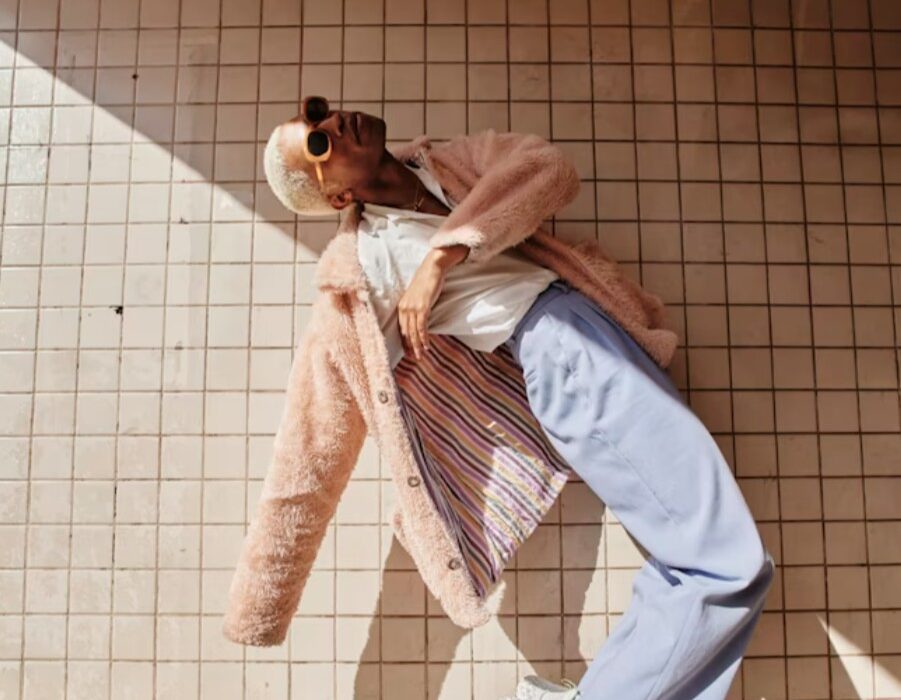
Layering is a powerful styling technique that adds dimension, functionality, and creativity to any outfit. It allows you to build complexity from simple pieces, making even basic clothing feel sophisticated and intentional. The art of layering lies in understanding proportions and how different garments interact with each other.
Starting with a base layer, such as a fitted top or dress, provides a clean foundation. From there, additional layers like shirts, sweaters, jackets, or coats can be added to create depth. Each layer should complement the others in terms of color, texture, and silhouette. Mixing fitted and loose pieces helps maintain balance, ensuring the outfit does not appear bulky or shapeless.
Length variation is another important aspect of layering. Combining shorter and longer garments creates visual interest and movement. A long cardigan over a shorter top, or a cropped jacket paired with high-waisted pants, introduces contrast that enhances the overall look. This technique also allows you to highlight certain areas of your outfit while subtly concealing others.
Accessories play a crucial role in layered outfits. Scarves, belts, and jewelry can tie different elements together, adding cohesion and personality. A belt, for example, can define the waist in a multi-layered outfit, preventing it from appearing oversized. Similarly, a statement necklace can draw attention to the upper body, balancing heavier layers below.
Layering is not just about aesthetics but also practicality. It allows you to adapt your outfit to changing temperatures and environments without compromising style. By mastering this technique, you can create versatile looks that transition seamlessly throughout the day.
Elevating everyday outfits with accessories and styling details
Accessories are the finishing touches that bring an outfit to life. They have the power to transform even the simplest combinations into something distinctive and memorable. From shoes and bags to jewelry and hats, each accessory contributes to the overall narrative of your look.
Shoes, in particular, can dramatically alter the tone of an outfit. A casual ensemble paired with sneakers feels relaxed and effortless, while the same outfit with heels or boots becomes more refined and polished. Similarly, a structured handbag adds sophistication, whereas a slouchy tote creates a laid-back vibe.
Jewelry offers an opportunity to express personal style in subtle yet impactful ways. Layering necklaces, stacking rings, or choosing bold statement pieces can enhance your outfit without overwhelming it. The key is to maintain balance, ensuring that accessories complement rather than compete with your clothing.
Belts are often overlooked but incredibly versatile. They can define the waist, add structure, and even introduce a contrasting color or texture. A simple dress can take on a completely different character when cinched with a belt, demonstrating how small details can make a significant difference.
Scarves and hats add both functionality and flair. A scarf can introduce color and pattern, while a hat can serve as a statement piece that completes the look. These elements allow you to experiment with different styles without making permanent changes to your wardrobe.
Ultimately, creative outfit mixing is about embracing experimentation and enjoying the process. There are no strict rules, only guidelines that help you explore your style with confidence. By combining versatility, color awareness, layering techniques, and thoughtful accessorizing, you can unlock endless fashion possibilities. Each outfit becomes an opportunity to express who you are, turning everyday dressing into an art form that evolves with you.