
Introduction to Pixpa and its Features
Creating a stunning portfolio website is essential for showcasing your work and attracting potential clients. With so many platforms available, finding the right one can feel overwhelming. Enter Pixpa—a user-friendly website builder designed for creatives. Whether you’re a photographer, designer, or artist, Pixpa offers powerful features tailored to your needs.
In this guide, we’ll walk you through each step of building an impressive portfolio site on Pixpa. From selecting the perfect template to customizing your design and integrating e-commerce options, you’ll discover how to create a platform that truly represents your unique style and vision. Let’s dive in!
Choosing the Right Template for Your Portfolio Website
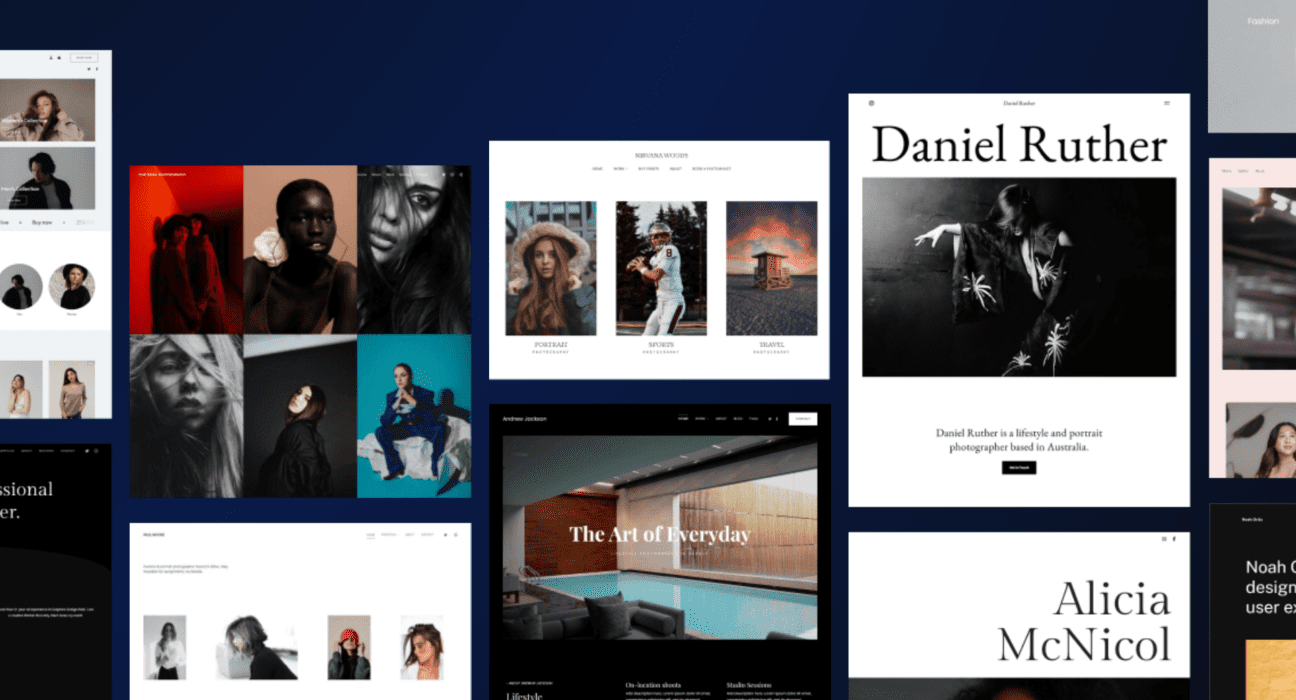
Choosing the right template is crucial for your portfolio website. It sets the tone and communicates your style.
Start by identifying your niche. Are you an artist, photographer, or designer? Different templates cater to different professions, so pick one that resonates with your work.
Consider functionality as well. A minimalist layout might be ideal for showcasing visuals without distractions. If you have a lot of content, look for templates that allow easy navigation.
Don’t overlook customization options either. Ensure you can tweak colors and fonts to match your brand identity. The more personal touches you add, the more memorable your site becomes.
Check mobile responsiveness. With a growing number of users browsing on smartphones, it’s essential that your chosen template looks great on any device. Your audience should experience seamless access wherever they are.
Customizing Your Website Design

Customizing your website design on Pixpa allows you to showcase your unique style. It’s all about making your portfolio reflect who you are.
Start with the color palette. Choose hues that resonate with your brand identity. A cohesive color scheme can create a strong visual impact and set the mood for visitors.
Typography is another key element. Select fonts that enhance readability while aligning with your aesthetic. Mixing different styles can add flair, but maintain balance to avoid distraction.
Don’t forget images! Use high-quality visuals that represent your work well. Ensure they’re properly sized and optimized for fast loading times.
Explore layout options to find what works best for displaying your content effectively. Whether grid-based or freeform, make sure it flows seamlessly as users navigate through your site.
Adding and Organizing Your Content
Adding content to your Pixpa portfolio is where your creativity truly shines. Start by uploading high-quality images that represent your work best. Choose visuals that resonate with your audience and showcase your unique style.
Organizing the content effectively is crucial for user experience. Create categories based on themes or types of work, making it easier for visitors to navigate through your projects. Use engaging titles and descriptions to provide context around each piece.
Don’t forget about incorporating multimedia elements like videos or audio clips if relevant. These can enhance storytelling and keep viewers interested longer.
Pixpa allows you to drag and drop elements freely, giving you the freedom to adjust layouts as needed. Regularly update your portfolio with new pieces to reflect growth in skills while keeping the design fresh and appealing.
Integrating E-commerce and Other Features
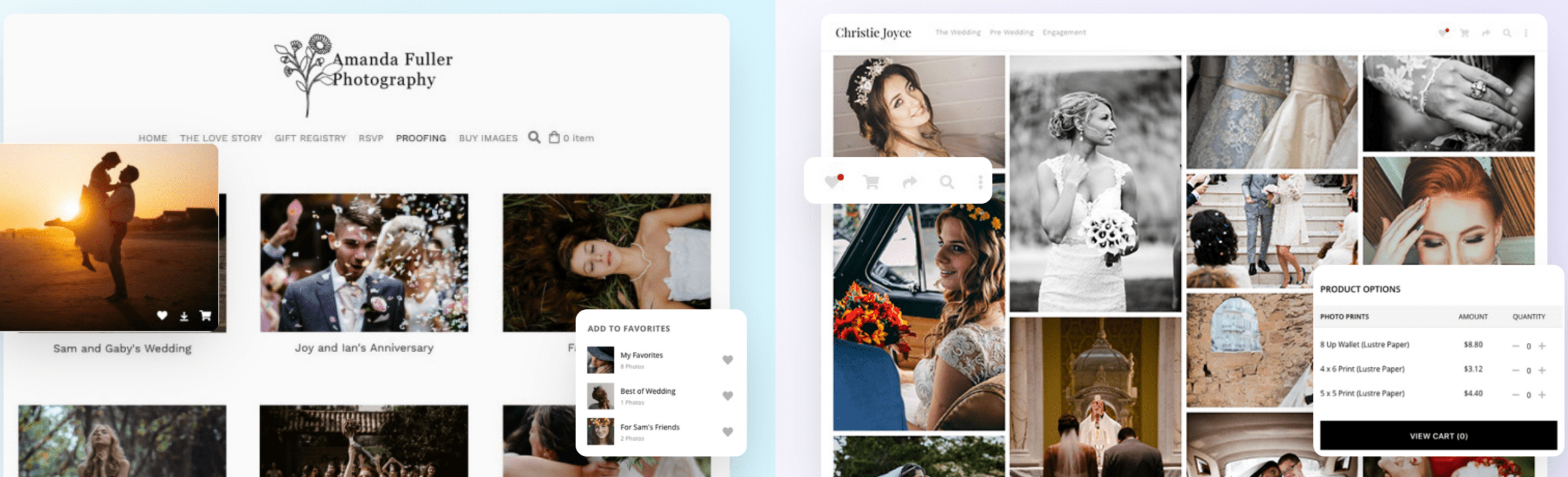
Integrating e-commerce functionality into your Pixpa portfolio can elevate your website, making it a powerful tool for monetizing your creative work. Whether you’re selling prints, digital downloads, or merchandise, Pixpa has robust features to support this transition seamlessly.
Start by enabling the e-commerce section in your website settings. You’ll find options to add products easily. Each product can have its own description and pricing details. Make sure to use high-quality images that showcase what you’re selling effectively.
Pixpa also offers payment gateway integrations with popular services like PayPal and Stripe. Setting these up is straightforward—just follow the prompts within the platform. This allows you to accept payments securely from customers around the globe.
Beyond just e-commerce, consider adding other interactive features such as blogging or customer galleries if applicable to your work. A blog can help drive traffic through SEO while providing valuable content related to your niche.
Don’t forget about social media integration! Share buttons enable visitors to spread the word about your creations effortlessly across their networks.
By integrating these elements into your Pixpa site, you create a vibrant hub not only showcasing your work but transforming it into an engaging experience for potential clients and fans alike.